 Help & Contact
 Order Tracking


Parasite Control
Parasite Control for Chickens, Pigeons and Pet Birds
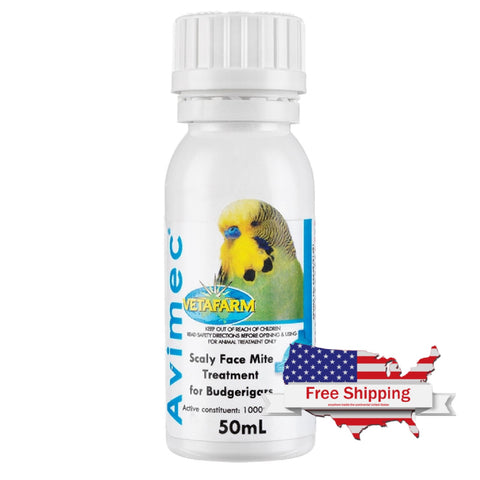
Shop parasite-control products for chickens, poultry, pigeons and pet birds. This collection includes products and supplies intended to help manage common internal and external parasites, including worms, mites and lice.
Internal and External Parasite Care
Parasites can affect a bird’s comfort, condition and overall well-being. The correct product depends on the parasite involved, the bird species and whether the bird is kept as a companion or produces meat or eggs for human consumption.
Depending on availability, this collection may include products for:
- Roundworms and other internal worms
- Poultry mites and red mites
- Northern fowl mites
- Feather and body lice
- Scaly leg mites
- Air-sac mites in susceptible pet birds
- Coop, loft and cage parasite management
Possible Signs of Parasites in Birds
Common warning signs may include frequent scratching, feather damage, irritated skin, crusty or raised leg scales, visible insects, pale combs, weight loss, reduced activity or changes in droppings. Some birds may carry parasites without showing obvious symptoms, while other medical or nutritional problems can produce similar signs.
Choose the Correct Parasite-Control Product
External parasite products are not interchangeable with dewormers, and a treatment intended for one parasite may not work against another. Inspect the bird and its environment carefully, and consult an avian or poultry veterinarian when the cause is uncertain.
Always verify the intended species, administration method and product concentration before use. Never estimate a dose or combine parasite-control products unless instructed by a veterinarian or specifically permitted by the labels.
Treat the Bird’s Environment
Many external parasites hide in bedding, nest boxes, cracks, perches and loft surfaces. Clean the housing thoroughly, replace contaminated bedding and treat the environment only with products labeled for that purpose. Follow all instructions for ventilation, protective equipment and the safe return of birds to the treated area.
Special Care for Laying Hens and Food-Producing Poultry
Use only legally permitted products for chickens producing eggs or meat. Follow all label restrictions and observe every required egg or meat withdrawal period. Products marketed for pigeons or companion birds should not automatically be used in food-producing poultry.
Frequently Asked Questions
How do I know whether my bird has mites or lice?
Examine the feathers, skin, vent area, legs and housing. Mites and lice differ in appearance and behavior, so accurate identification helps determine the appropriate control method.
Does a dewormer treat mites and lice?
Not necessarily. Internal dewormers and external parasite products serve different purposes. Use a product specifically labeled or professionally directed for the parasite involved.
Should the coop or loft be treated too?
Environmental cleaning and control are often important because some parasites spend part of their life cycle away from the bird. Use only products labeled for poultry or bird housing.
Can parasite-control products be used on chicks?
Age restrictions vary considerably. Confirm that the product is suitable for the chick’s species, age and weight before use, or consult a veterinarian.
When should veterinary care be requested?
Seek professional help for severe weakness, breathing difficulty, significant weight loss, anemia, heavy infestations, neurological signs or symptoms that persist after appropriate environmental management.




ABOUT THIS COLLECTION
Parasite Control
Read MoreShow Less
Parasite Control for Chickens, Pigeons and Pet Birds
Shop parasite-control products for chickens, poultry, pigeons and pet birds. This collection includes products and supplies intended to help manage common internal and external parasites, including worms, mites and lice.
Internal and External Parasite Care
Parasites can affect a bird’s comfort, condition and overall well-being. The correct product depends on the parasite involved, the bird species and whether the bird is kept as a companion or produces meat or eggs for human consumption.
Depending on availability, this collection may include products for:
- Roundworms and other internal worms
- Poultry mites and red mites
- Northern fowl mites
- Feather and body lice
- Scaly leg mites
- Air-sac mites in susceptible pet birds
- Coop, loft and cage parasite management
Possible Signs of Parasites in Birds
Common warning signs may include frequent scratching, feather damage, irritated skin, crusty or raised leg scales, visible insects, pale combs, weight loss, reduced activity or changes in droppings. Some birds may carry parasites without showing obvious symptoms, while other medical or nutritional problems can produce similar signs.
Choose the Correct Parasite-Control Product
External parasite products are not interchangeable with dewormers, and a treatment intended for one parasite may not work against another. Inspect the bird and its environment carefully, and consult an avian or poultry veterinarian when the cause is uncertain.
Always verify the intended species, administration method and product concentration before use. Never estimate a dose or combine parasite-control products unless instructed by a veterinarian or specifically permitted by the labels.
Treat the Bird’s Environment
Many external parasites hide in bedding, nest boxes, cracks, perches and loft surfaces. Clean the housing thoroughly, replace contaminated bedding and treat the environment only with products labeled for that purpose. Follow all instructions for ventilation, protective equipment and the safe return of birds to the treated area.
Special Care for Laying Hens and Food-Producing Poultry
Use only legally permitted products for chickens producing eggs or meat. Follow all label restrictions and observe every required egg or meat withdrawal period. Products marketed for pigeons or companion birds should not automatically be used in food-producing poultry.
Frequently Asked Questions
How do I know whether my bird has mites or lice?
Examine the feathers, skin, vent area, legs and housing. Mites and lice differ in appearance and behavior, so accurate identification helps determine the appropriate control method.
Does a dewormer treat mites and lice?
Not necessarily. Internal dewormers and external parasite products serve different purposes. Use a product specifically labeled or professionally directed for the parasite involved.
Should the coop or loft be treated too?
Environmental cleaning and control are often important because some parasites spend part of their life cycle away from the bird. Use only products labeled for poultry or bird housing.
Can parasite-control products be used on chicks?
Age restrictions vary considerably. Confirm that the product is suitable for the chick’s species, age and weight before use, or consult a veterinarian.
When should veterinary care be requested?
Seek professional help for severe weakness, breathing difficulty, significant weight loss, anemia, heavy infestations, neurological signs or symptoms that persist after appropriate environmental management.
Parasite Control for Chickens, Pigeons and Pet Birds Shop parasite-control products for chickens, poultry, pigeons and pet birds. This collection includes products and supplies intended to help manage common internal...
