 Help & Contact
 Order Tracking


Isolation and Recovery Supplies
Chicken Isolation and Poultry Recovery Supplies
Create a secure and comfortable space for sick, injured or stressed birds with our collection of chicken isolation and recovery supplies. Explore poultry recovery cages, portable pens, individual feeders, waterers, bedding, warming accessories and monitoring essentials for chicks, laying hens, roosters and backyard chickens.
A well-prepared isolation area makes it easier to observe a bird, provide appropriate care and protect it from flock aggression. Isolation may also help reduce exposure when a contagious illness is suspected, although it cannot guarantee that disease transmission has been prevented.
When Should a Chicken Be Isolated?
Temporary separation may be appropriate when a chicken has:
- A visible wound or active bleeding
- Severe feather pecking or flock-related injuries
- Weakness or difficulty accessing food and water
- Respiratory or digestive symptoms
- Suspected contagious disease
- A leg, wing or foot injury
- External parasites requiring individual monitoring
- Reduced appetite or dehydration
- Recently completed a veterinary procedure
- Been newly introduced or returned to the property
Types of Isolation and Recovery Supplies
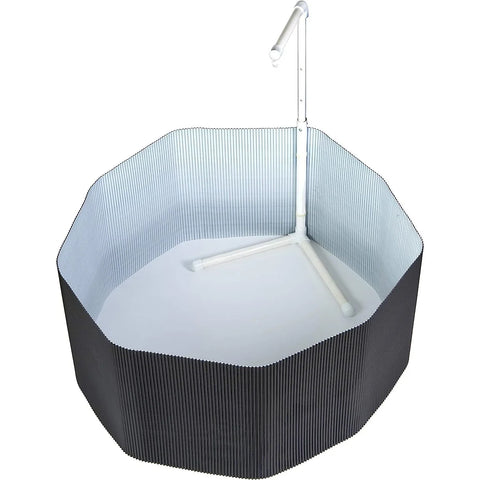
- Poultry recovery cages: Secure enclosures for temporarily housing sick or injured chickens.
- Portable isolation pens: Flexible options for creating a separate care space when needed.
- Individual poultry feeders: Compact feeders that make feed intake easier to monitor.
- Recovery waterers: Stable drinkers positioned for easy access by weak or less mobile birds.
- Nonslip bedding: Helps provide secure footing while absorbing moisture and waste.
- Warming accessories: Products designed to help maintain an appropriate recovery temperature when used safely.
- Disposable liners: Make waste monitoring and enclosure cleaning more manageable.
- Cleaning and disinfection supplies: Help reduce organic contamination between occupants.
- Monitoring tools: Equipment for tracking temperature, body weight and environmental conditions.
- Medication organizers: Help keep appropriate care products and treatment records together.
Setting Up a Chicken Recovery Area
A recovery space should be quiet, secure, well ventilated and easy to clean. It should allow the bird to rest while keeping food and water within comfortable reach.
- Select an enclosure large enough for the chicken to stand and reposition comfortably.
- Use clean, dry and nonslip bedding.
- Remove high perches when balance or mobility is impaired.
- Position the feeder and waterer close to the bird.
- Maintain good airflow without exposing the chicken to a direct draft.
- Protect the enclosure from predators, pets and excessive noise.
- Choose materials that can be cleaned and disinfected.
Indoor vs. Outdoor Chicken Isolation
An indoor recovery space may offer easier temperature control and closer observation. However, it must remain well ventilated and separated from food-preparation areas, children and household pets.
Outdoor isolation may reduce household contamination but requires secure protection from predators, rain, temperature extremes and contact with the main flock. The best location depends on the bird’s condition, local climate and suspected disease risk.
Feeding and Watering an Isolated Chicken
Provide complete poultry feed appropriate for the bird’s age and life stage. Use individual containers so daily intake can be observed more accurately.
Keep clean water continuously available. Electrolytes or supplements may be used when appropriate and according to their labels, but a chicken that cannot drink or swallow safely requires professional assistance.
Monitoring a Recovering Chicken
Record changes at least daily, including:
- Feed and water intake
- Body weight and general condition
- Dropping color, consistency and frequency
- Breathing and respiratory sounds
- Wound appearance and swelling
- Ability to stand, walk and balance
- Medication or supplement administration
- Egg and meat withdrawal dates when applicable
Consistent records can help identify improvement or deterioration and provide useful information to a veterinarian.
Isolation for Suspected Contagious Illness
When infectious disease is possible, place the affected bird away from the main flock and use dedicated feeders, waterers, footwear and cleaning tools. Care for healthy birds before entering the isolation area.
Wash hands and change contaminated clothing or footwear after handling the isolated bird. Do not share equipment between enclosures until it has been properly cleaned and disinfected.
Cleaning a Poultry Recovery Enclosure
Remove droppings, spilled feed and wet bedding promptly. Organic material must be physically removed before a disinfectant can work effectively.
- Move the bird safely before deep cleaning.
- Remove disposable liners and bedding.
- Wash away visible dirt and organic material.
- Apply a poultry-appropriate disinfectant as directed.
- Observe the required contact time.
- Rinse when required and allow the enclosure to dry.
- Replace the bedding with clean material.
Never mix disinfectants or cleaning chemicals. Follow all instructions concerning ventilation, protective equipment and animal removal.
Isolation Supplies for Chicks
Young chicks need age-appropriate housing, reliable warmth, chick-safe feeders and shallow waterers. A chick should not be isolated in a cold, oversized or slippery enclosure.
Where disease control permits, visual contact with healthy chicks may reduce stress. Chicks showing bloody droppings, severe breathing difficulty or rapid weakness require prompt veterinary evaluation.
Returning a Recovered Chicken to the Flock
Reintroduction should occur gradually after the bird is stable, active and able to eat, drink and move normally. If the chicken was isolated for suspected contagious disease, obtain veterinary guidance before returning it to the flock.
A protected enclosure placed within sight of the flock may allow birds to become reacquainted before direct contact. Monitor carefully for renewed aggression.
Isolation vs. Quarantine
Isolation separates a bird that is sick, injured or showing symptoms. Quarantine separates newly acquired or returning birds that may appear healthy but could introduce disease.
Both practices require dedicated equipment, careful sanitation and attention to the movement of people, tools and waste.
When to Seek Veterinary Assistance
Contact a poultry veterinarian if an isolated chicken has severe breathing difficulty, uncontrolled bleeding, neurological symptoms, bloody droppings, inability to stand, suspected egg binding, rapid weight loss or worsening weakness.
Professional help is also recommended when several flock members become ill or the isolated bird fails to improve.
Related Chicken Care Collections
- Chicken Care
- Chicken First Aid Kits
- Medication Supplies
- Measuring Syringes
- Poultry Waterers
- Poultry Feeders
- Coop Disinfectants
- Poultry Biosecurity Supplies
- Chicken Recovery Support
- Recovery Supplements
Frequently Asked Questions
When should I isolate a chicken?
Isolation may be appropriate when a bird is sick, injured, being pecked or unable to compete for food and water. It is also useful when individual monitoring is required.
What does a chicken recovery cage need?
It should provide secure housing, nonslip bedding, ventilation, an appropriate temperature and easy access to clean food and water.
How long should a chicken remain isolated?
The duration depends on the cause and the bird’s recovery. Keep the chicken separated until it is stable and safe to return, and obtain veterinary advice when contagious disease is suspected.
Can an isolated chicken stay indoors?
Yes, if the area is ventilated, temperature-controlled, easy to clean and separated from food-preparation spaces, children and household pets.
How should I reintroduce a recovered chicken?
Use a gradual, supervised process. Allow protected visual contact first and monitor for aggression when direct flock contact resumes.




ABOUT THIS COLLECTION
Isolation and Recovery Supplies
Read MoreShow Less
Chicken Isolation and Poultry Recovery Supplies
Create a secure and comfortable space for sick, injured or stressed birds with our collection of chicken isolation and recovery supplies. Explore poultry recovery cages, portable pens, individual feeders, waterers, bedding, warming accessories and monitoring essentials for chicks, laying hens, roosters and backyard chickens.
A well-prepared isolation area makes it easier to observe a bird, provide appropriate care and protect it from flock aggression. Isolation may also help reduce exposure when a contagious illness is suspected, although it cannot guarantee that disease transmission has been prevented.
When Should a Chicken Be Isolated?
Temporary separation may be appropriate when a chicken has:
- A visible wound or active bleeding
- Severe feather pecking or flock-related injuries
- Weakness or difficulty accessing food and water
- Respiratory or digestive symptoms
- Suspected contagious disease
- A leg, wing or foot injury
- External parasites requiring individual monitoring
- Reduced appetite or dehydration
- Recently completed a veterinary procedure
- Been newly introduced or returned to the property
Types of Isolation and Recovery Supplies
- Poultry recovery cages: Secure enclosures for temporarily housing sick or injured chickens.
- Portable isolation pens: Flexible options for creating a separate care space when needed.
- Individual poultry feeders: Compact feeders that make feed intake easier to monitor.
- Recovery waterers: Stable drinkers positioned for easy access by weak or less mobile birds.
- Nonslip bedding: Helps provide secure footing while absorbing moisture and waste.
- Warming accessories: Products designed to help maintain an appropriate recovery temperature when used safely.
- Disposable liners: Make waste monitoring and enclosure cleaning more manageable.
- Cleaning and disinfection supplies: Help reduce organic contamination between occupants.
- Monitoring tools: Equipment for tracking temperature, body weight and environmental conditions.
- Medication organizers: Help keep appropriate care products and treatment records together.
Setting Up a Chicken Recovery Area
A recovery space should be quiet, secure, well ventilated and easy to clean. It should allow the bird to rest while keeping food and water within comfortable reach.
- Select an enclosure large enough for the chicken to stand and reposition comfortably.
- Use clean, dry and nonslip bedding.
- Remove high perches when balance or mobility is impaired.
- Position the feeder and waterer close to the bird.
- Maintain good airflow without exposing the chicken to a direct draft.
- Protect the enclosure from predators, pets and excessive noise.
- Choose materials that can be cleaned and disinfected.
Indoor vs. Outdoor Chicken Isolation
An indoor recovery space may offer easier temperature control and closer observation. However, it must remain well ventilated and separated from food-preparation areas, children and household pets.
Outdoor isolation may reduce household contamination but requires secure protection from predators, rain, temperature extremes and contact with the main flock. The best location depends on the bird’s condition, local climate and suspected disease risk.
Feeding and Watering an Isolated Chicken
Provide complete poultry feed appropriate for the bird’s age and life stage. Use individual containers so daily intake can be observed more accurately.
Keep clean water continuously available. Electrolytes or supplements may be used when appropriate and according to their labels, but a chicken that cannot drink or swallow safely requires professional assistance.
Monitoring a Recovering Chicken
Record changes at least daily, including:
- Feed and water intake
- Body weight and general condition
- Dropping color, consistency and frequency
- Breathing and respiratory sounds
- Wound appearance and swelling
- Ability to stand, walk and balance
- Medication or supplement administration
- Egg and meat withdrawal dates when applicable
Consistent records can help identify improvement or deterioration and provide useful information to a veterinarian.
Isolation for Suspected Contagious Illness
When infectious disease is possible, place the affected bird away from the main flock and use dedicated feeders, waterers, footwear and cleaning tools. Care for healthy birds before entering the isolation area.
Wash hands and change contaminated clothing or footwear after handling the isolated bird. Do not share equipment between enclosures until it has been properly cleaned and disinfected.
Cleaning a Poultry Recovery Enclosure
Remove droppings, spilled feed and wet bedding promptly. Organic material must be physically removed before a disinfectant can work effectively.
- Move the bird safely before deep cleaning.
- Remove disposable liners and bedding.
- Wash away visible dirt and organic material.
- Apply a poultry-appropriate disinfectant as directed.
- Observe the required contact time.
- Rinse when required and allow the enclosure to dry.
- Replace the bedding with clean material.
Never mix disinfectants or cleaning chemicals. Follow all instructions concerning ventilation, protective equipment and animal removal.
Isolation Supplies for Chicks
Young chicks need age-appropriate housing, reliable warmth, chick-safe feeders and shallow waterers. A chick should not be isolated in a cold, oversized or slippery enclosure.
Where disease control permits, visual contact with healthy chicks may reduce stress. Chicks showing bloody droppings, severe breathing difficulty or rapid weakness require prompt veterinary evaluation.
Returning a Recovered Chicken to the Flock
Reintroduction should occur gradually after the bird is stable, active and able to eat, drink and move normally. If the chicken was isolated for suspected contagious disease, obtain veterinary guidance before returning it to the flock.
A protected enclosure placed within sight of the flock may allow birds to become reacquainted before direct contact. Monitor carefully for renewed aggression.
Isolation vs. Quarantine
Isolation separates a bird that is sick, injured or showing symptoms. Quarantine separates newly acquired or returning birds that may appear healthy but could introduce disease.
Both practices require dedicated equipment, careful sanitation and attention to the movement of people, tools and waste.
When to Seek Veterinary Assistance
Contact a poultry veterinarian if an isolated chicken has severe breathing difficulty, uncontrolled bleeding, neurological symptoms, bloody droppings, inability to stand, suspected egg binding, rapid weight loss or worsening weakness.
Professional help is also recommended when several flock members become ill or the isolated bird fails to improve.
Related Chicken Care Collections
- Chicken Care
- Chicken First Aid Kits
- Medication Supplies
- Measuring Syringes
- Poultry Waterers
- Poultry Feeders
- Coop Disinfectants
- Poultry Biosecurity Supplies
- Chicken Recovery Support
- Recovery Supplements
Frequently Asked Questions
When should I isolate a chicken?
Isolation may be appropriate when a bird is sick, injured, being pecked or unable to compete for food and water. It is also useful when individual monitoring is required.
What does a chicken recovery cage need?
It should provide secure housing, nonslip bedding, ventilation, an appropriate temperature and easy access to clean food and water.
How long should a chicken remain isolated?
The duration depends on the cause and the bird’s recovery. Keep the chicken separated until it is stable and safe to return, and obtain veterinary advice when contagious disease is suspected.
Can an isolated chicken stay indoors?
Yes, if the area is ventilated, temperature-controlled, easy to clean and separated from food-preparation spaces, children and household pets.
How should I reintroduce a recovered chicken?
Use a gradual, supervised process. Allow protected visual contact first and monitor for aggression when direct flock contact resumes.
Chicken Isolation and Poultry Recovery Supplies Create a secure and comfortable space for sick, injured or stressed birds with our collection of chicken isolation and recovery supplies. Explore poultry recovery cages...
