 Help & Contact
 Order Tracking


Chicken Respiratory Antibiotics
Chicken Respiratory Antibiotics and Poultry Respiratory Medicine
```Respiratory problems are among the most concerning health issues encountered by backyard chicken keepers. Sneezing, coughing, nasal discharge, swollen eyes, watery eyes, noisy breathing and reduced activity can indicate that a chicken is experiencing a respiratory problem. However, these signs do not always confirm a bacterial infection.
The Chicken Respiratory Antibiotics collection at ChickenAntibiotics.com brings together poultry health products associated with bacterial respiratory concerns in chickens. Depending on current U.S. labeling and regulatory requirements, products may include water-soluble powders, oral solutions and veterinary-directed poultry medicines.
Antibiotics should be considered only when a susceptible bacterial condition is suspected or identified. Viral diseases, fungal exposure, parasites, dust, ammonia, poor ventilation and environmental irritation will not necessarily respond to antibiotic treatment.
```Common Signs of Respiratory Problems in Chickens
```Respiratory conditions can range from mild irritation to serious contagious disease. Affected chickens may display one or several of the following signs:
- Sneezing or repeated head shaking
- Coughing or unusual respiratory sounds
- Wheezing, rattling or gurgling
- Nasal discharge
- Watery, foamy or swollen eyes
- Facial or sinus swelling
- Open-mouth breathing
- Stretching the neck while breathing
- Reduced appetite or water consumption
- Decreased activity and isolation from the flock
- Reduced egg production
- Pale or discolored comb and wattles
Severe breathing difficulty, neurological signs, blue or purple discoloration, rapid deterioration or respiratory illness affecting several birds requires prompt professional assistance.
```What Causes Respiratory Problems in Chickens?
```Respiratory symptoms alone cannot identify a specific disease. Similar signs may develop from infectious and noninfectious causes.
Bacterial Respiratory Conditions
Certain bacterial organisms may contribute to respiratory disease in poultry. Appropriate evaluation may involve the bird’s history, physical signs, flock pattern and laboratory testing. When a bacterial cause is identified, a veterinarian can determine whether an antibiotic is appropriate.
Viral Poultry Diseases
Viral diseases do not respond directly to antibiotics. Some viral poultry diseases may spread rapidly and can resemble bacterial respiratory infections. Antibiotics should not be used as a substitute for identifying a potentially serious or reportable disease.
Environmental Irritation
Dust, mold, excessive moisture, ammonia buildup, dirty bedding and poor ventilation can irritate a chicken’s respiratory system. Correcting the environment may be essential even when additional care is required.
Parasites and Other Causes
Certain parasites, fungal conditions, toxins and physical obstructions may produce coughing, gasping or breathing difficulty. These problems require different management than a bacterial infection.
```Types of Chicken Respiratory Antibiotics
```Respiratory medicines are available in several formats. Customers should select products according to their current label, intended species, active ingredient, concentration and administration instructions.
Water-Soluble Respiratory Antibiotics
Water-soluble products may be suitable for flock-level administration when drinking-water use is included on the current product label. Correct measurement, fresh preparation and monitoring of water consumption are essential.
Chicken Antibiotic Powders
Powder products can vary substantially in concentration and intended administration. Directions from one powder should never be applied to another product simply because both contain a similar ingredient.
Antibiotic Oral Solutions
Liquid products may support accurate measurement when used according to the exact label or veterinary instructions. Customers should verify whether the product is intended for individual administration or preparation in drinking water.
Prescription Chicken Antibiotics
Many medically important animal antibiotics require authorization from a licensed veterinarian. Prescription products must be supplied through an appropriate veterinary or pharmacy pathway and used according to the prescribing instructions.
```Responsible Use of Respiratory Antibiotics for Chickens
```Choosing a respiratory antibiotic based only on symptoms can lead to ineffective treatment. A chicken may sneeze because of dust or ammonia, while a contagious viral disease may produce signs that resemble a bacterial infection.
Before selecting a respiratory health product:
- Observe the affected bird. Record the symptoms, when they began and whether they are worsening.
- Check the rest of the flock. Determine whether one bird or several chickens are affected.
- Isolate visibly sick birds. Use a clean, well-ventilated recovery area with easy access to food and water.
- Inspect the coop. Check for dust, moisture, mold, ammonia buildup and insufficient airflow.
- Review the product label. Confirm the species, route, concentration, warnings and withdrawal information.
- Seek veterinary guidance. A poultry veterinarian can help determine whether a bacterial condition is likely and whether diagnostic testing is required.
Supportive Care for Chickens With Respiratory Problems
```Supportive management is important regardless of whether an antibiotic is prescribed. The affected bird should be kept in a clean, dry and properly ventilated environment. Fresh water and appropriate nutrition should remain easily accessible.
Depending on the condition and professional guidance, supportive products may include:
- Poultry electrolytes
- Chicken vitamins
- Poultry probiotics
- Recovery nutrition
- Dedicated medication waterers
- Measuring supplies
- Isolation and recovery equipment
- Coop sanitation products
Supportive products do not replace antibiotics when bacterial treatment is necessary, and they do not replace veterinary care when symptoms are severe.
```Respiratory Medicine for Laying Hens
```Chickens producing eggs for human consumption must be treated as food-producing animals. A respiratory medicine should not be described as appropriate for laying hens unless the current product label or prescribing veterinarian provides clear support for that use.
Before administering any respiratory product to a laying hen, confirm:
- Whether chickens are included on the product label
- Whether the product is permitted for laying hens
- Whether eggs must be discarded
- The required egg-withdrawal period
- The required meat-withdrawal period
- Whether a veterinary prescription is required
Withdrawal instructions differ between products. Never apply the withdrawal period from one medicine, active ingredient or animal species to another.
```When to Contact a Poultry Veterinarian
```Contact a poultry veterinarian promptly when a chicken has open-mouth breathing, pronounced neck stretching, severe facial swelling, blue or purple discoloration, inability to stand, neurological signs or rapidly worsening respiratory distress.
Sudden respiratory illness, reduced production or unexplained death affecting several birds may indicate a contagious or reportable disease. Isolate affected birds, limit movement between flocks and contact a veterinarian or state animal-health authority.
```Chicken Respiratory Antibiotics Frequently Asked Questions
```What antibiotic is used for respiratory infections in chickens?
The appropriate medicine depends on the suspected organism, current product approval, bird type, administration route and food-safety requirements. A poultry veterinarian should determine whether a bacterial infection is likely and which legally available product is appropriate.
Does a sneezing chicken need antibiotics?
Not necessarily. Sneezing may result from dust, ammonia, mold, poor ventilation, infection or other irritation. Examine the environment and monitor the bird for additional signs before assuming that antibiotics are needed.
Can chicken respiratory antibiotics be added to drinking water?
Only when drinking-water administration is supported by the exact product label or veterinary instructions. Different concentrations and formulations require different preparation directions.
Do respiratory antibiotics treat viral chicken diseases?
No. Antibiotics act against susceptible bacteria and do not treat viruses. Some viral illnesses may also require reporting or specific biosecurity measures.
Can eggs be eaten while a hen receives respiratory medicine?
Egg restrictions depend on the exact product and intended use. Review the current label and follow the prescribing veterinarian’s withdrawal or egg-discard instructions.
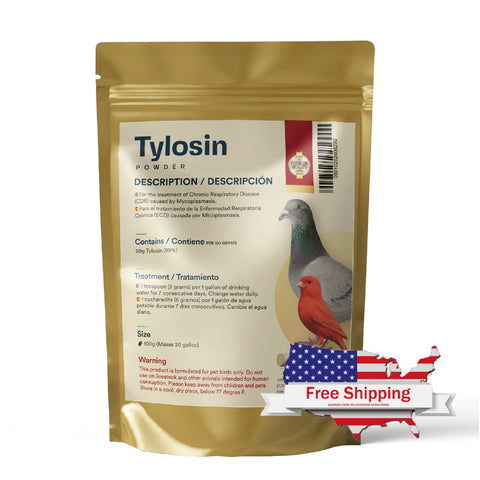
Can pigeon respiratory medicine be used for chickens?
Not automatically. Pigeon medicine may not be labeled for food-producing chickens and may not provide appropriate egg or meat withdrawal information.
```




ABOUT THIS COLLECTION
Chicken Respiratory Antibiotics
Read MoreShow Less
Chicken Respiratory Antibiotics and Poultry Respiratory Medicine
```Respiratory problems are among the most concerning health issues encountered by backyard chicken keepers. Sneezing, coughing, nasal discharge, swollen eyes, watery eyes, noisy breathing and reduced activity can indicate that a chicken is experiencing a respiratory problem. However, these signs do not always confirm a bacterial infection.
The Chicken Respiratory Antibiotics collection at ChickenAntibiotics.com brings together poultry health products associated with bacterial respiratory concerns in chickens. Depending on current U.S. labeling and regulatory requirements, products may include water-soluble powders, oral solutions and veterinary-directed poultry medicines.
Antibiotics should be considered only when a susceptible bacterial condition is suspected or identified. Viral diseases, fungal exposure, parasites, dust, ammonia, poor ventilation and environmental irritation will not necessarily respond to antibiotic treatment.
```Common Signs of Respiratory Problems in Chickens
```Respiratory conditions can range from mild irritation to serious contagious disease. Affected chickens may display one or several of the following signs:
- Sneezing or repeated head shaking
- Coughing or unusual respiratory sounds
- Wheezing, rattling or gurgling
- Nasal discharge
- Watery, foamy or swollen eyes
- Facial or sinus swelling
- Open-mouth breathing
- Stretching the neck while breathing
- Reduced appetite or water consumption
- Decreased activity and isolation from the flock
- Reduced egg production
- Pale or discolored comb and wattles
Severe breathing difficulty, neurological signs, blue or purple discoloration, rapid deterioration or respiratory illness affecting several birds requires prompt professional assistance.
```What Causes Respiratory Problems in Chickens?
```Respiratory symptoms alone cannot identify a specific disease. Similar signs may develop from infectious and noninfectious causes.
Bacterial Respiratory Conditions
Certain bacterial organisms may contribute to respiratory disease in poultry. Appropriate evaluation may involve the bird’s history, physical signs, flock pattern and laboratory testing. When a bacterial cause is identified, a veterinarian can determine whether an antibiotic is appropriate.
Viral Poultry Diseases
Viral diseases do not respond directly to antibiotics. Some viral poultry diseases may spread rapidly and can resemble bacterial respiratory infections. Antibiotics should not be used as a substitute for identifying a potentially serious or reportable disease.
Environmental Irritation
Dust, mold, excessive moisture, ammonia buildup, dirty bedding and poor ventilation can irritate a chicken’s respiratory system. Correcting the environment may be essential even when additional care is required.
Parasites and Other Causes
Certain parasites, fungal conditions, toxins and physical obstructions may produce coughing, gasping or breathing difficulty. These problems require different management than a bacterial infection.
```Types of Chicken Respiratory Antibiotics
```Respiratory medicines are available in several formats. Customers should select products according to their current label, intended species, active ingredient, concentration and administration instructions.
Water-Soluble Respiratory Antibiotics
Water-soluble products may be suitable for flock-level administration when drinking-water use is included on the current product label. Correct measurement, fresh preparation and monitoring of water consumption are essential.
Chicken Antibiotic Powders
Powder products can vary substantially in concentration and intended administration. Directions from one powder should never be applied to another product simply because both contain a similar ingredient.
Antibiotic Oral Solutions
Liquid products may support accurate measurement when used according to the exact label or veterinary instructions. Customers should verify whether the product is intended for individual administration or preparation in drinking water.
Prescription Chicken Antibiotics
Many medically important animal antibiotics require authorization from a licensed veterinarian. Prescription products must be supplied through an appropriate veterinary or pharmacy pathway and used according to the prescribing instructions.
```Responsible Use of Respiratory Antibiotics for Chickens
```Choosing a respiratory antibiotic based only on symptoms can lead to ineffective treatment. A chicken may sneeze because of dust or ammonia, while a contagious viral disease may produce signs that resemble a bacterial infection.
Before selecting a respiratory health product:
- Observe the affected bird. Record the symptoms, when they began and whether they are worsening.
- Check the rest of the flock. Determine whether one bird or several chickens are affected.
- Isolate visibly sick birds. Use a clean, well-ventilated recovery area with easy access to food and water.
- Inspect the coop. Check for dust, moisture, mold, ammonia buildup and insufficient airflow.
- Review the product label. Confirm the species, route, concentration, warnings and withdrawal information.
- Seek veterinary guidance. A poultry veterinarian can help determine whether a bacterial condition is likely and whether diagnostic testing is required.
Supportive Care for Chickens With Respiratory Problems
```Supportive management is important regardless of whether an antibiotic is prescribed. The affected bird should be kept in a clean, dry and properly ventilated environment. Fresh water and appropriate nutrition should remain easily accessible.
Depending on the condition and professional guidance, supportive products may include:
- Poultry electrolytes
- Chicken vitamins
- Poultry probiotics
- Recovery nutrition
- Dedicated medication waterers
- Measuring supplies
- Isolation and recovery equipment
- Coop sanitation products
Supportive products do not replace antibiotics when bacterial treatment is necessary, and they do not replace veterinary care when symptoms are severe.
```Respiratory Medicine for Laying Hens
```Chickens producing eggs for human consumption must be treated as food-producing animals. A respiratory medicine should not be described as appropriate for laying hens unless the current product label or prescribing veterinarian provides clear support for that use.
Before administering any respiratory product to a laying hen, confirm:
- Whether chickens are included on the product label
- Whether the product is permitted for laying hens
- Whether eggs must be discarded
- The required egg-withdrawal period
- The required meat-withdrawal period
- Whether a veterinary prescription is required
Withdrawal instructions differ between products. Never apply the withdrawal period from one medicine, active ingredient or animal species to another.
```When to Contact a Poultry Veterinarian
```Contact a poultry veterinarian promptly when a chicken has open-mouth breathing, pronounced neck stretching, severe facial swelling, blue or purple discoloration, inability to stand, neurological signs or rapidly worsening respiratory distress.
Sudden respiratory illness, reduced production or unexplained death affecting several birds may indicate a contagious or reportable disease. Isolate affected birds, limit movement between flocks and contact a veterinarian or state animal-health authority.
```Chicken Respiratory Antibiotics Frequently Asked Questions
```What antibiotic is used for respiratory infections in chickens?
The appropriate medicine depends on the suspected organism, current product approval, bird type, administration route and food-safety requirements. A poultry veterinarian should determine whether a bacterial infection is likely and which legally available product is appropriate.
Does a sneezing chicken need antibiotics?
Not necessarily. Sneezing may result from dust, ammonia, mold, poor ventilation, infection or other irritation. Examine the environment and monitor the bird for additional signs before assuming that antibiotics are needed.
Can chicken respiratory antibiotics be added to drinking water?
Only when drinking-water administration is supported by the exact product label or veterinary instructions. Different concentrations and formulations require different preparation directions.
Do respiratory antibiotics treat viral chicken diseases?
No. Antibiotics act against susceptible bacteria and do not treat viruses. Some viral illnesses may also require reporting or specific biosecurity measures.
Can eggs be eaten while a hen receives respiratory medicine?
Egg restrictions depend on the exact product and intended use. Review the current label and follow the prescribing veterinarian’s withdrawal or egg-discard instructions.
Can pigeon respiratory medicine be used for chickens?
Not automatically. Pigeon medicine may not be labeled for food-producing chickens and may not provide appropriate egg or meat withdrawal information.
```Chicken Respiratory Antibiotics and Poultry Respiratory Medicine ``` Respiratory problems are among the most concerning health issues encountered by backyard chicken keepers. Sneezing, coughing, nasal discharge, s...
