 Help & Contact
 Order Tracking


Chicken Vitamins
Chicken Vitamins and Poultry Multivitamin Supplements
Support everyday flock nutrition with our collection of chicken vitamins. Explore poultry multivitamin powders, liquid vitamins and water-soluble supplements for chicks, laying hens, roosters and backyard chickens.
Vitamins support normal growth, metabolism, immunity, vision, bone development, reproduction and feather quality. A complete poultry feed should provide the foundation of your flock’s diet, while targeted supplementation can offer additional support during periods of increased nutritional demand.
Benefits of Vitamins for Chickens
Depending on the formula and its intended purpose, poultry vitamins may support:
- Normal growth and development
- Healthy immune-system function
- Energy metabolism and activity
- Bone, beak and leg development
- Feather quality and normal molting
- Vision and skin condition
- Egg production and reproductive nutrition
- Recovery after illness or stress
- Appetite and normal feed utilization
- Overall flock condition
Types of Chicken Vitamin Supplements
- Poultry multivitamins: Broad nutritional formulas containing several essential vitamins.
- Water-soluble chicken vitamins: Powders or liquids designed to be mixed into drinking water.
- Feed-based vitamins: Supplements formulated to be added to poultry feed according to label directions.
- Vitamin and electrolyte combinations: Provide nutritional and hydration support during heat, transportation or recovery.
- Vitamin and probiotic blends: Combine nutritional support with beneficial digestive microorganisms.
- Chick vitamin supplements: Age-appropriate products developed for early growth and brooder support.
- Laying-hen vitamins: Formulas designed to support the nutritional requirements of egg-producing chickens.
Important Vitamins for Chickens
Vitamin A
Vitamin A supports normal vision, skin, respiratory tissue, reproduction and immune function. Inadequate vitamin A may contribute to poor growth, eye problems and reduced resistance to disease.
Vitamin D3
Vitamin D3 helps chickens absorb and use calcium and phosphorus. It is important for normal bone development and strong eggshell formation.
Vitamin E
Vitamin E acts as an antioxidant and supports normal muscle, neurological, reproductive and immune function. Many poultry formulas combine vitamin E with selenium, but selenium must not be over-supplemented.
Vitamin K
Vitamin K plays an important role in normal blood clotting. Deficiency may increase the risk of abnormal bleeding.
B-Complex Vitamins
B vitamins support energy metabolism, appetite, growth, nervous-system function and tissue development. They are commonly included in supplements for stressed, growing or recovering birds.
When to Give Vitamins to Chickens
Vitamin supplementation may be useful during:
- Transportation, relocation or flock changes
- Heat stress and severe weather
- Seasonal molting and feather regrowth
- Reduced appetite or nutritional recovery
- Peak egg-laying periods
- Early chick growth
- Recovery following illness or injury
- Periods of increased physical stress
- Professionally identified nutritional deficiencies
Vitamins for Baby Chicks
Young chicks need balanced nutrition for rapid growth, feather development and strong legs. An age-appropriate vitamin supplement may provide additional support during transportation, brooding stress or temporary reduced feed intake.
Chicken vitamins cannot compensate for unsuitable brooder temperature, poor sanitation, contaminated water or inadequate starter feed. Use a complete chick starter as the primary diet.
Vitamins for Laying Hens
Laying hens have increased nutritional demands associated with egg production. Vitamins D3, A, E and several B vitamins contribute to normal reproductive nutrition, shell formation, metabolism and overall condition.
Vitamin supplements should accompany a balanced layer feed rather than replace it. Soft or thin eggshells may also involve calcium, phosphorus, stress, age or disease and should not be addressed with vitamins alone.
Vitamins During Molting and Feather Growth
Molting requires significant nutritional resources as chickens replace old feathers. A balanced vitamin formula may support normal metabolism and feather development during this period.
Feather growth also requires adequate dietary protein and amino acids. Vitamin products alone cannot correct a diet that is deficient in essential nutrients.
Choosing the Best Vitamins for Chickens
Choose a formula according to the bird’s age, life stage, diet and reason for supplementation. Check the product label for:
- Approved poultry species and ages
- Complete ingredient concentrations
- Feed or water administration directions
- Recommended frequency and duration
- Storage and expiration instructions
- Compatibility with other supplements
- Suitability for laying hens
How to Use Poultry Vitamins
Measure and mix chicken vitamins exactly as directed by the manufacturer. Prepare fresh supplemented water at the required frequency and clean drinkers before refilling them.
Do not make concentrated solutions stronger than recommended. When using multiple supplements, compare their ingredient lists to avoid unintentionally providing excessive amounts of the same vitamins or minerals.
Can Chickens Receive Too Many Vitamins?
Yes. Excessive amounts of certain vitamins—particularly the fat-soluble vitamins A, D, E and K—may accumulate in the body or disrupt nutritional balance. Over-supplementation may be harmful and does not provide faster results.
Use one well-selected formula at its labeled amount unless a poultry veterinarian recommends a different nutritional plan.
Vitamins Are Supportive, Not Curative
Chicken vitamins support nutrition and normal body functions, but they do not treat coccidiosis, worms, bacterial infections, respiratory disease or other diagnosed illnesses. Persistent symptoms require proper evaluation and, when necessary, targeted treatment.
When to Seek Veterinary Assistance
Contact a poultry veterinarian if a chicken has severe weakness, inability to stand, rapid weight loss, neurological symptoms, breathing difficulty, bloody droppings or a persistent loss of appetite. These signs should not be managed with vitamin supplements alone.
Related Chicken Supplement Collections
- Chicken Supplements
- Chicken Electrolytes
- Chicken Probiotics
- Chicken Calcium Supplements
- Egg-Laying Support
- Immune Support for Chickens
- Feather and Molting Support
- Recovery Supplements
- Chick Growth Support
Frequently Asked Questions
What vitamins are important for chickens?
Chickens require vitamins A, D, E, K and the B-complex group, along with balanced minerals and other nutrients. A complete poultry feed should supply their basic daily requirements.
Can I give chickens vitamins every day?
Some poultry vitamin formulas are intended for routine use, while others are designed for short-term supplementation. Follow the frequency and duration shown on the label.
Can I put chicken vitamins in drinking water?
Yes, when the product is specifically formulated for water administration. Use clean water, measure accurately and prepare fresh solution as directed.
Do vitamins help chickens during molting?
Vitamins may support normal metabolism and feather development during molting, but birds also need complete nutrition with adequate protein and amino acids.
Can vitamins replace medicine for a sick chicken?
No. Vitamins may support recovery, but they do not replace treatment for infections, parasites, coccidiosis or other medical conditions.


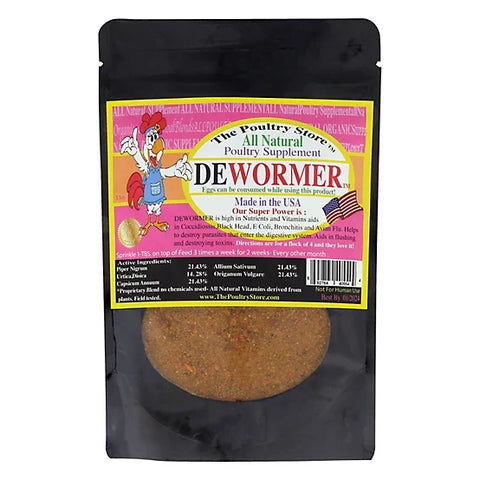


ABOUT THIS COLLECTION
Chicken Vitamins
Read MoreShow Less
Chicken Vitamins and Poultry Multivitamin Supplements
Support everyday flock nutrition with our collection of chicken vitamins. Explore poultry multivitamin powders, liquid vitamins and water-soluble supplements for chicks, laying hens, roosters and backyard chickens.
Vitamins support normal growth, metabolism, immunity, vision, bone development, reproduction and feather quality. A complete poultry feed should provide the foundation of your flock’s diet, while targeted supplementation can offer additional support during periods of increased nutritional demand.
Benefits of Vitamins for Chickens
Depending on the formula and its intended purpose, poultry vitamins may support:
- Normal growth and development
- Healthy immune-system function
- Energy metabolism and activity
- Bone, beak and leg development
- Feather quality and normal molting
- Vision and skin condition
- Egg production and reproductive nutrition
- Recovery after illness or stress
- Appetite and normal feed utilization
- Overall flock condition
Types of Chicken Vitamin Supplements
- Poultry multivitamins: Broad nutritional formulas containing several essential vitamins.
- Water-soluble chicken vitamins: Powders or liquids designed to be mixed into drinking water.
- Feed-based vitamins: Supplements formulated to be added to poultry feed according to label directions.
- Vitamin and electrolyte combinations: Provide nutritional and hydration support during heat, transportation or recovery.
- Vitamin and probiotic blends: Combine nutritional support with beneficial digestive microorganisms.
- Chick vitamin supplements: Age-appropriate products developed for early growth and brooder support.
- Laying-hen vitamins: Formulas designed to support the nutritional requirements of egg-producing chickens.
Important Vitamins for Chickens
Vitamin A
Vitamin A supports normal vision, skin, respiratory tissue, reproduction and immune function. Inadequate vitamin A may contribute to poor growth, eye problems and reduced resistance to disease.
Vitamin D3
Vitamin D3 helps chickens absorb and use calcium and phosphorus. It is important for normal bone development and strong eggshell formation.
Vitamin E
Vitamin E acts as an antioxidant and supports normal muscle, neurological, reproductive and immune function. Many poultry formulas combine vitamin E with selenium, but selenium must not be over-supplemented.
Vitamin K
Vitamin K plays an important role in normal blood clotting. Deficiency may increase the risk of abnormal bleeding.
B-Complex Vitamins
B vitamins support energy metabolism, appetite, growth, nervous-system function and tissue development. They are commonly included in supplements for stressed, growing or recovering birds.
When to Give Vitamins to Chickens
Vitamin supplementation may be useful during:
- Transportation, relocation or flock changes
- Heat stress and severe weather
- Seasonal molting and feather regrowth
- Reduced appetite or nutritional recovery
- Peak egg-laying periods
- Early chick growth
- Recovery following illness or injury
- Periods of increased physical stress
- Professionally identified nutritional deficiencies
Vitamins for Baby Chicks
Young chicks need balanced nutrition for rapid growth, feather development and strong legs. An age-appropriate vitamin supplement may provide additional support during transportation, brooding stress or temporary reduced feed intake.
Chicken vitamins cannot compensate for unsuitable brooder temperature, poor sanitation, contaminated water or inadequate starter feed. Use a complete chick starter as the primary diet.
Vitamins for Laying Hens
Laying hens have increased nutritional demands associated with egg production. Vitamins D3, A, E and several B vitamins contribute to normal reproductive nutrition, shell formation, metabolism and overall condition.
Vitamin supplements should accompany a balanced layer feed rather than replace it. Soft or thin eggshells may also involve calcium, phosphorus, stress, age or disease and should not be addressed with vitamins alone.
Vitamins During Molting and Feather Growth
Molting requires significant nutritional resources as chickens replace old feathers. A balanced vitamin formula may support normal metabolism and feather development during this period.
Feather growth also requires adequate dietary protein and amino acids. Vitamin products alone cannot correct a diet that is deficient in essential nutrients.
Choosing the Best Vitamins for Chickens
Choose a formula according to the bird’s age, life stage, diet and reason for supplementation. Check the product label for:
- Approved poultry species and ages
- Complete ingredient concentrations
- Feed or water administration directions
- Recommended frequency and duration
- Storage and expiration instructions
- Compatibility with other supplements
- Suitability for laying hens
How to Use Poultry Vitamins
Measure and mix chicken vitamins exactly as directed by the manufacturer. Prepare fresh supplemented water at the required frequency and clean drinkers before refilling them.
Do not make concentrated solutions stronger than recommended. When using multiple supplements, compare their ingredient lists to avoid unintentionally providing excessive amounts of the same vitamins or minerals.
Can Chickens Receive Too Many Vitamins?
Yes. Excessive amounts of certain vitamins—particularly the fat-soluble vitamins A, D, E and K—may accumulate in the body or disrupt nutritional balance. Over-supplementation may be harmful and does not provide faster results.
Use one well-selected formula at its labeled amount unless a poultry veterinarian recommends a different nutritional plan.
Vitamins Are Supportive, Not Curative
Chicken vitamins support nutrition and normal body functions, but they do not treat coccidiosis, worms, bacterial infections, respiratory disease or other diagnosed illnesses. Persistent symptoms require proper evaluation and, when necessary, targeted treatment.
When to Seek Veterinary Assistance
Contact a poultry veterinarian if a chicken has severe weakness, inability to stand, rapid weight loss, neurological symptoms, breathing difficulty, bloody droppings or a persistent loss of appetite. These signs should not be managed with vitamin supplements alone.
Related Chicken Supplement Collections
- Chicken Supplements
- Chicken Electrolytes
- Chicken Probiotics
- Chicken Calcium Supplements
- Egg-Laying Support
- Immune Support for Chickens
- Feather and Molting Support
- Recovery Supplements
- Chick Growth Support
Frequently Asked Questions
What vitamins are important for chickens?
Chickens require vitamins A, D, E, K and the B-complex group, along with balanced minerals and other nutrients. A complete poultry feed should supply their basic daily requirements.
Can I give chickens vitamins every day?
Some poultry vitamin formulas are intended for routine use, while others are designed for short-term supplementation. Follow the frequency and duration shown on the label.
Can I put chicken vitamins in drinking water?
Yes, when the product is specifically formulated for water administration. Use clean water, measure accurately and prepare fresh solution as directed.
Do vitamins help chickens during molting?
Vitamins may support normal metabolism and feather development during molting, but birds also need complete nutrition with adequate protein and amino acids.
Can vitamins replace medicine for a sick chicken?
No. Vitamins may support recovery, but they do not replace treatment for infections, parasites, coccidiosis or other medical conditions.
Chicken Vitamins and Poultry Multivitamin Supplements Support everyday flock nutrition with our collection of chicken vitamins. Explore poultry multivitamin powders, liquid vitamins and water-soluble supplements for ...
