 Help & Contact
 Order Tracking


Brooder and Chick Care
Chicken Brooder Supplies and Baby Chick Care
Prepare a safe, clean and comfortable space for young poultry with our collection of chicken brooder supplies. Explore chick feeders, waterers, heat equipment, bedding, thermometers, cleaning products and daily-care essentials for newly hatched and growing baby chickens.
A properly managed brooder provides warmth, nutrition, hydration, ventilation and protection during a chick’s most vulnerable stage. The correct setup reduces stress and helps support normal growth, feather development and healthy activity.
Essential Brooder and Chick Care Supplies
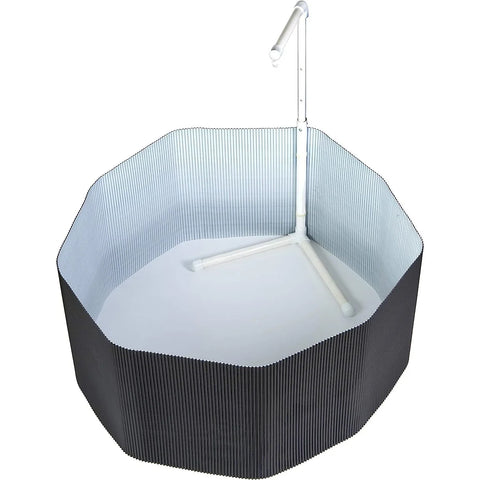
- Brooder enclosures: Secure spaces that protect chicks while providing adequate room for movement.
- Brooder heat sources: Equipment designed to provide controlled warmth during early development.
- Brooder thermometers: Help monitor temperature at chick level.
- Chick feeders: Low-profile feeders that provide easy access while limiting contamination and waste.
- Chick waterers: Stable, shallow drinking systems designed to reduce spills and drowning risk.
- Brooder bedding: Clean, absorbent and nonslip materials that help manage moisture and waste.
- Chick vitamins and electrolytes: Nutritional and hydration supplements for appropriately identified needs.
- Chick probiotics: Support normal digestive microbial balance during early development.
- Cleaning and sanitation supplies: Help prepare brooders and equipment between groups.
- Isolation accessories: Supplies for safely separating an injured, weak or bullied chick.
Choosing a Safe Chicken Brooder
A brooder should be secure, easy to clean and large enough for chicks to move toward or away from the heat source. High enough sides or a suitable cover may be required as chicks become active and begin attempting to fly.
Choose materials that are:
- Free from sharp edges and entanglement hazards
- Easy to clean and disinfect
- Resistant to tipping or collapse
- Large enough for the expected number of chicks
- Compatible with the selected heat source
- Protected from household pets and predators
- Well ventilated without exposing chicks to direct drafts
Brooder Temperature and Heat Management
Newly hatched chicks cannot regulate body temperature as effectively as adult chickens. Provide a safe heat source while leaving enough cooler space for chicks to move away when they become too warm.
Monitor both the thermometer and chick behavior:
- Comfortable chicks: Usually spread evenly, eat, drink and rest calmly.
- Cold chicks: May crowd beneath the heat source and chirp loudly.
- Overheated chicks: May move away from the heat, pant or hold their wings away from their bodies.
- Draft-exposed chicks: May crowd together on one side of the brooder.
Reduce supplemental heat gradually as chicks feather and mature, considering breed, room temperature and weather conditions.
Brooder Heat Safety
Install heat equipment according to the manufacturer’s instructions. Secure lamps, plates, cords and electrical connections so they cannot fall, contact bedding or be damaged by chicks.
- Use equipment specifically designed for brooding or animal care.
- Keep combustible bedding away from unsafe heat sources.
- Inspect cords and plugs before use.
- Avoid overloaded outlets and improvised wiring.
- Check the system frequently for excessive heat.
- Keep waterers away from electrical connections.
Choosing Brooder Bedding
Brooder bedding should provide secure footing while absorbing moisture. Slippery surfaces can contribute to leg problems, and wet litter encourages contamination and chills young chicks.
Avoid materials that chicks can easily swallow, become tangled in or slip across. Replace wet and heavily soiled bedding promptly, especially around waterers.
Chick Feeders and Nutrition
Provide a nutritionally complete chick starter feed appropriate for the species and development stage. Feeders should allow every chick to eat without excessive competition.
- Place feeders where chicks can access them easily.
- Provide enough feeding space for the group.
- Remove wet, dirty or moldy feed promptly.
- Clean feeders before adding fresh feed.
- Avoid excessive treats that dilute complete nutrition.
- Monitor smaller chicks for poor feeder access.
Chick Waterers and Hydration
Fresh water should be available when chicks enter the brooder. Use a stable chick waterer designed to reduce drowning risk and prevent the bedding from becoming excessively wet.
Inspect waterers frequently and clean away bedding, feed and droppings. Electrolytes may be used during transportation or temporary stress when the product is labeled for chicks and mixed according to its directions.
Brooder Ventilation
Ventilation removes excess moisture, dust and odors while bringing fresh air into the brooder. A tightly enclosed container without adequate air exchange can quickly become unsuitable.
Provide ventilation without directing cold air across the chicks. Strong ammonia odor, condensation or persistently damp bedding indicates that airflow or litter management should be improved.
Cleaning and Disinfecting a Brooder
Remove chicks before using products that require an empty enclosure. Cleaning should remove bedding, manure, feed residue and other organic material before an appropriately labeled disinfectant is applied.
- Remove all chicks and portable equipment.
- Discard used bedding safely.
- Wash away visible organic material.
- Apply a poultry-appropriate disinfectant as directed.
- Observe the required contact time.
- Rinse when instructed.
- Allow the enclosure and equipment to dry completely.
- Add fresh bedding and restore the correct temperature.
Monitoring Chick Health
Observe chicks several times daily for:
- Normal eating and drinking
- Comfortable distribution around the brooder
- Clean vents and normal droppings
- Steady growth and feather development
- Normal standing and walking
- Clear eyes and quiet breathing
- Absence of pecking injuries
- Equal access to food, water and warmth
Common Brooder Problems
Common chick-care problems include:
- Chilling or overheating
- Wet bedding and excessive humidity
- Contaminated feed or water
- Pasted vents
- Leg weakness caused by slippery flooring
- Overcrowding and feather pecking
- Poor ventilation or strong drafts
- Coccidiosis and abnormal droppings
- Competition that prevents weak chicks from eating
Correct environmental problems promptly. Supplements cannot compensate for unsafe temperatures, contaminated equipment or unsuitable housing.
Separating a Weak or Injured Chick
A weak, injured or bullied chick may need temporary separation for monitoring and protection. The recovery area must still provide safe warmth, food, water, ventilation and nonslip bedding.
When disease control permits, keeping the chick within sight or hearing of the group may reduce isolation stress. Seek professional help if the chick cannot stand, swallow or breathe normally.
When Can Chicks Leave the Brooder?
Transition timing depends on feather development, breed, outdoor temperature, shelter and individual health. Chicks should be adequately feathered and able to maintain normal body temperature without supplemental heat before permanent outdoor placement.
Make changes gradually and provide protection from rain, wind, predators and established adult birds.
When to Seek Veterinary Assistance
Contact a poultry veterinarian if chicks develop bloody droppings, severe breathing difficulty, neurological symptoms, inability to stand, significant swelling, persistent appetite loss or rapid deterioration.
Professional guidance is especially important when illness or unexplained deaths affect several chicks.
Related Chicken Care Collections
- Chicken Care
- Poultry Feeders
- Poultry Waterers
- Chicken First Aid Kits
- Isolation and Recovery Supplies
- Coop Disinfectants
- Poultry Biosecurity Supplies
- Medicine for Chicks
- Chick Growth Support
Frequently Asked Questions
What supplies do I need for a chick brooder?
Essential supplies include a secure enclosure, safe heat source, thermometer, nonslip bedding, chick feeder, chick waterer and complete starter feed.
How can I tell whether chicks are warm enough?
Comfortable chicks are generally active and evenly distributed. Chicks clustering tightly may be cold, while chicks avoiding the heat and panting may be too warm.
What bedding is suitable for baby chicks?
Choose clean, absorbent and nonslip bedding that does not create an ingestion or entanglement hazard. Replace wet material promptly.
Do chicks need supplements?
Complete starter feed should provide their nutritional foundation. Age-appropriate vitamins, probiotics or electrolytes may offer targeted support when needed.
When should chicks move outside?
Chicks should be sufficiently feathered, healthy and able to tolerate local conditions. Transition them gradually into secure, weather-protected housing.




ABOUT THIS COLLECTION
Brooder and Chick Care
Read MoreShow Less
Chicken Brooder Supplies and Baby Chick Care
Prepare a safe, clean and comfortable space for young poultry with our collection of chicken brooder supplies. Explore chick feeders, waterers, heat equipment, bedding, thermometers, cleaning products and daily-care essentials for newly hatched and growing baby chickens.
A properly managed brooder provides warmth, nutrition, hydration, ventilation and protection during a chick’s most vulnerable stage. The correct setup reduces stress and helps support normal growth, feather development and healthy activity.
Essential Brooder and Chick Care Supplies
- Brooder enclosures: Secure spaces that protect chicks while providing adequate room for movement.
- Brooder heat sources: Equipment designed to provide controlled warmth during early development.
- Brooder thermometers: Help monitor temperature at chick level.
- Chick feeders: Low-profile feeders that provide easy access while limiting contamination and waste.
- Chick waterers: Stable, shallow drinking systems designed to reduce spills and drowning risk.
- Brooder bedding: Clean, absorbent and nonslip materials that help manage moisture and waste.
- Chick vitamins and electrolytes: Nutritional and hydration supplements for appropriately identified needs.
- Chick probiotics: Support normal digestive microbial balance during early development.
- Cleaning and sanitation supplies: Help prepare brooders and equipment between groups.
- Isolation accessories: Supplies for safely separating an injured, weak or bullied chick.
Choosing a Safe Chicken Brooder
A brooder should be secure, easy to clean and large enough for chicks to move toward or away from the heat source. High enough sides or a suitable cover may be required as chicks become active and begin attempting to fly.
Choose materials that are:
- Free from sharp edges and entanglement hazards
- Easy to clean and disinfect
- Resistant to tipping or collapse
- Large enough for the expected number of chicks
- Compatible with the selected heat source
- Protected from household pets and predators
- Well ventilated without exposing chicks to direct drafts
Brooder Temperature and Heat Management
Newly hatched chicks cannot regulate body temperature as effectively as adult chickens. Provide a safe heat source while leaving enough cooler space for chicks to move away when they become too warm.
Monitor both the thermometer and chick behavior:
- Comfortable chicks: Usually spread evenly, eat, drink and rest calmly.
- Cold chicks: May crowd beneath the heat source and chirp loudly.
- Overheated chicks: May move away from the heat, pant or hold their wings away from their bodies.
- Draft-exposed chicks: May crowd together on one side of the brooder.
Reduce supplemental heat gradually as chicks feather and mature, considering breed, room temperature and weather conditions.
Brooder Heat Safety
Install heat equipment according to the manufacturer’s instructions. Secure lamps, plates, cords and electrical connections so they cannot fall, contact bedding or be damaged by chicks.
- Use equipment specifically designed for brooding or animal care.
- Keep combustible bedding away from unsafe heat sources.
- Inspect cords and plugs before use.
- Avoid overloaded outlets and improvised wiring.
- Check the system frequently for excessive heat.
- Keep waterers away from electrical connections.
Choosing Brooder Bedding
Brooder bedding should provide secure footing while absorbing moisture. Slippery surfaces can contribute to leg problems, and wet litter encourages contamination and chills young chicks.
Avoid materials that chicks can easily swallow, become tangled in or slip across. Replace wet and heavily soiled bedding promptly, especially around waterers.
Chick Feeders and Nutrition
Provide a nutritionally complete chick starter feed appropriate for the species and development stage. Feeders should allow every chick to eat without excessive competition.
- Place feeders where chicks can access them easily.
- Provide enough feeding space for the group.
- Remove wet, dirty or moldy feed promptly.
- Clean feeders before adding fresh feed.
- Avoid excessive treats that dilute complete nutrition.
- Monitor smaller chicks for poor feeder access.
Chick Waterers and Hydration
Fresh water should be available when chicks enter the brooder. Use a stable chick waterer designed to reduce drowning risk and prevent the bedding from becoming excessively wet.
Inspect waterers frequently and clean away bedding, feed and droppings. Electrolytes may be used during transportation or temporary stress when the product is labeled for chicks and mixed according to its directions.
Brooder Ventilation
Ventilation removes excess moisture, dust and odors while bringing fresh air into the brooder. A tightly enclosed container without adequate air exchange can quickly become unsuitable.
Provide ventilation without directing cold air across the chicks. Strong ammonia odor, condensation or persistently damp bedding indicates that airflow or litter management should be improved.
Cleaning and Disinfecting a Brooder
Remove chicks before using products that require an empty enclosure. Cleaning should remove bedding, manure, feed residue and other organic material before an appropriately labeled disinfectant is applied.
- Remove all chicks and portable equipment.
- Discard used bedding safely.
- Wash away visible organic material.
- Apply a poultry-appropriate disinfectant as directed.
- Observe the required contact time.
- Rinse when instructed.
- Allow the enclosure and equipment to dry completely.
- Add fresh bedding and restore the correct temperature.
Monitoring Chick Health
Observe chicks several times daily for:
- Normal eating and drinking
- Comfortable distribution around the brooder
- Clean vents and normal droppings
- Steady growth and feather development
- Normal standing and walking
- Clear eyes and quiet breathing
- Absence of pecking injuries
- Equal access to food, water and warmth
Common Brooder Problems
Common chick-care problems include:
- Chilling or overheating
- Wet bedding and excessive humidity
- Contaminated feed or water
- Pasted vents
- Leg weakness caused by slippery flooring
- Overcrowding and feather pecking
- Poor ventilation or strong drafts
- Coccidiosis and abnormal droppings
- Competition that prevents weak chicks from eating
Correct environmental problems promptly. Supplements cannot compensate for unsafe temperatures, contaminated equipment or unsuitable housing.
Separating a Weak or Injured Chick
A weak, injured or bullied chick may need temporary separation for monitoring and protection. The recovery area must still provide safe warmth, food, water, ventilation and nonslip bedding.
When disease control permits, keeping the chick within sight or hearing of the group may reduce isolation stress. Seek professional help if the chick cannot stand, swallow or breathe normally.
When Can Chicks Leave the Brooder?
Transition timing depends on feather development, breed, outdoor temperature, shelter and individual health. Chicks should be adequately feathered and able to maintain normal body temperature without supplemental heat before permanent outdoor placement.
Make changes gradually and provide protection from rain, wind, predators and established adult birds.
When to Seek Veterinary Assistance
Contact a poultry veterinarian if chicks develop bloody droppings, severe breathing difficulty, neurological symptoms, inability to stand, significant swelling, persistent appetite loss or rapid deterioration.
Professional guidance is especially important when illness or unexplained deaths affect several chicks.
Related Chicken Care Collections
- Chicken Care
- Poultry Feeders
- Poultry Waterers
- Chicken First Aid Kits
- Isolation and Recovery Supplies
- Coop Disinfectants
- Poultry Biosecurity Supplies
- Medicine for Chicks
- Chick Growth Support
Frequently Asked Questions
What supplies do I need for a chick brooder?
Essential supplies include a secure enclosure, safe heat source, thermometer, nonslip bedding, chick feeder, chick waterer and complete starter feed.
How can I tell whether chicks are warm enough?
Comfortable chicks are generally active and evenly distributed. Chicks clustering tightly may be cold, while chicks avoiding the heat and panting may be too warm.
What bedding is suitable for baby chicks?
Choose clean, absorbent and nonslip bedding that does not create an ingestion or entanglement hazard. Replace wet material promptly.
Do chicks need supplements?
Complete starter feed should provide their nutritional foundation. Age-appropriate vitamins, probiotics or electrolytes may offer targeted support when needed.
When should chicks move outside?
Chicks should be sufficiently feathered, healthy and able to tolerate local conditions. Transition them gradually into secure, weather-protected housing.
Chicken Brooder Supplies and Baby Chick Care Prepare a safe, clean and comfortable space for young poultry with our collection of chicken brooder supplies. Explore chick feeders, waterers, heat equipment, bedding, th...
