 Help & Contact
 Order Tracking


Chicken First Aid
Chicken First Aid Products for Poultry Injuries and Emergencies
Be prepared to respond when a bird is injured or suddenly becomes unwell with our collection of chicken first aid products. Explore wound cleansers, poultry sprays, protective ointments, bleeding-control products, bandaging supplies and recovery essentials for chicks, hens, roosters and backyard poultry.
Prompt first aid can help stabilize an injured chicken, protect damaged tissue and provide essential support until the bird can be properly evaluated. First aid is not a substitute for diagnosis or veterinary treatment when an injury or illness is severe.
When a Chicken May Need First Aid
Chicken first aid products may be useful for managing:
- Minor cuts, scrapes and abrasions
- Pecking injuries and damaged feathers
- Broken or bleeding feathers
- Minor foot and leg injuries
- Superficial predator wounds
- Damaged combs, wattles or toenails
- Bumblefoot-related wound care
- Heat stress and dehydration
- Temporary weakness during recovery
- Minor skin irritation
Chicken First Aid Products
Depending on product availability, this collection may include:
- Poultry wound sprays: Help clean and protect minor cuts, scratches and superficial injuries.
- Antiseptic solutions: Products labeled for cleansing damaged skin and reducing surface contamination.
- Protective ointments and salves: Help shield vulnerable skin and support a clean healing environment.
- Bleeding-control products: Powders or other products designed to help manage minor external bleeding.
- Gauze and bandaging supplies: Help cover and protect appropriately cleaned wounds.
- Self-adherent wraps: Provide lightweight support when applied correctly and monitored closely.
- Poultry electrolytes: Support hydration following heat exposure, transportation or physical stress.
- Recovery nutrition: Provides nutritional support for weak or temporarily inactive birds.
- Disposable gloves and applicators: Support clean handling and reduce cross-contamination.
Basic First Aid for an Injured Chicken
- Separate the bird: Move the injured chicken to a clean, quiet and secure recovery area.
- Assess the injury: Check for active bleeding, breathing difficulty, fractures, punctures or signs of shock.
- Control minor bleeding: Apply gentle, steady pressure with clean gauze. Use a poultry-safe bleeding-control product when appropriate.
- Clean the wound: Use sterile saline or a wound cleanser labeled for poultry and the affected area.
- Protect the injury: Apply an appropriate topical product or dressing according to its instructions.
- Provide supportive care: Keep food and clean water within easy reach and maintain a comfortable environment.
- Monitor closely: Watch for swelling, discharge, odor, discoloration, reduced appetite or worsening weakness.
Managing Bleeding in Chickens
Minor bleeding from a toenail, comb or broken feather may sometimes be managed with direct pressure and an appropriate bleeding-control product. Continue gentle pressure without repeatedly lifting the gauze to inspect the area.
Heavy bleeding, deep punctures or bleeding that does not stop promptly requires urgent professional care. A broken blood feather may also require experienced assistance.
First Aid for Pecking and Flock Injuries
Chickens are attracted to visible blood and exposed tissue. Separate an injured bird immediately if flock members continue pecking the affected area. Clean and protect the injury, then investigate overcrowding, nutritional imbalance, boredom or flock aggression.
Return the bird only when the wound is adequately protected and the risk of renewed pecking has been reduced.
First Aid for Predator Injuries
Predator attacks can cause punctures, crushing injuries and internal damage that may not be immediately visible. Even a bird that remains standing may require urgent veterinary assessment.
Keep the chicken quiet and warm, control external bleeding and avoid repeatedly manipulating the injured area. Deep bites and puncture wounds have a high risk of infection and should not be treated as minor surface injuries.
Bandaging a Chicken Safely
Bandages should protect an injury without restricting circulation, breathing or normal movement. Wraps applied too tightly can cause swelling and tissue damage, while dirty or wet dressings may delay healing.
- Use clean, appropriate dressing materials.
- Never stretch self-adherent wrap to its maximum tension.
- Check the toes and surrounding tissue for swelling or discoloration.
- Keep the dressing clean and dry.
- Replace or remove the bandage according to professional guidance.
Creating a Recovery Space
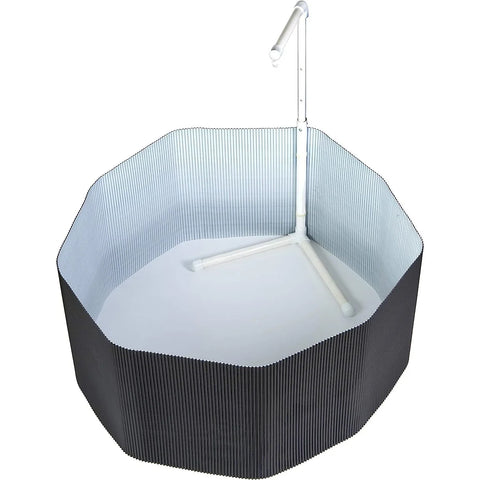
An effective recovery area should be secure, quiet, clean and easy to monitor. Provide nonslip bedding and position food and water where the bird can reach them without unnecessary movement.
Maintain an appropriate temperature and good ventilation. Keep detailed notes about eating, drinking, droppings, mobility and changes in the injury.
First Aid Products for Chicks
Chicks can lose heat and strength quickly following an injury. Use only products suitable for young poultry and maintain the correct brooder temperature. Avoid applying strong topical products unless their labels clearly permit use in chicks.
First Aid for Laying Hens
When using medicated sprays, ointments or other treatments on laying hens, confirm that the product is suitable for food-producing poultry. Follow all egg and meat withdrawal instructions provided on the label or by a licensed veterinarian.
Products to Avoid Around Chickens
Do not assume that every human or household first aid product is safe for poultry. Avoid applying products containing potentially harmful ingredients unless specifically directed by a veterinarian. Use only eye-safe products near the eyes, and never place general wound treatments inside the mouth or respiratory openings.
When to Seek Emergency Veterinary Care
Contact a poultry veterinarian promptly for:
- Heavy or uncontrolled bleeding
- Deep puncture wounds or predator bites
- Exposed bone, suspected fractures or inability to stand
- Eye injuries or embedded foreign objects
- Severe breathing difficulty
- Extensive burns or chemical exposure
- Neurological symptoms or loss of consciousness
- Prolapse or suspected egg binding
- Rapidly increasing swelling or foul-smelling discharge
- Severe weakness, shock or worsening condition
Related Chicken Health Collections
- Chicken Wound Care
- Chicken Skin and Feather Care
- Chicken Recovery Support
- Chicken Eye Care
- Medicine for Chicks
- Medicine for Laying Hens
- Chicken First Aid Kits
- Isolation and Recovery Supplies
Frequently Asked Questions
What should I keep for chicken first aid?
Useful supplies include disposable gloves, sterile saline, poultry-safe wound cleanser, gauze, bleeding-control powder, protective ointment, bandaging material, electrolytes and a secure recovery enclosure.
Should I separate an injured chicken?
Yes, when other chickens are pecking the wound or individual monitoring is required. Keep the bird in a clean, quiet location with easy access to food and water.
Can I use human wound products on chickens?
Not automatically. Some ingredients may be unsuitable for poultry or food-producing animals. Select products labeled for poultry or follow veterinary guidance.
How do I stop minor bleeding on a chicken?
Apply steady pressure with clean gauze. A poultry-safe bleeding-control product may also help with minor external bleeding. Seek urgent care if bleeding is heavy or persistent.
Are chicken first aid products safe for laying hens?
Product suitability varies. Check the label for laying-hen restrictions and follow all required egg or meat withdrawal periods.




ABOUT THIS COLLECTION
Chicken First Aid
Read MoreShow Less
Chicken First Aid Products for Poultry Injuries and Emergencies
Be prepared to respond when a bird is injured or suddenly becomes unwell with our collection of chicken first aid products. Explore wound cleansers, poultry sprays, protective ointments, bleeding-control products, bandaging supplies and recovery essentials for chicks, hens, roosters and backyard poultry.
Prompt first aid can help stabilize an injured chicken, protect damaged tissue and provide essential support until the bird can be properly evaluated. First aid is not a substitute for diagnosis or veterinary treatment when an injury or illness is severe.
When a Chicken May Need First Aid
Chicken first aid products may be useful for managing:
- Minor cuts, scrapes and abrasions
- Pecking injuries and damaged feathers
- Broken or bleeding feathers
- Minor foot and leg injuries
- Superficial predator wounds
- Damaged combs, wattles or toenails
- Bumblefoot-related wound care
- Heat stress and dehydration
- Temporary weakness during recovery
- Minor skin irritation
Chicken First Aid Products
Depending on product availability, this collection may include:
- Poultry wound sprays: Help clean and protect minor cuts, scratches and superficial injuries.
- Antiseptic solutions: Products labeled for cleansing damaged skin and reducing surface contamination.
- Protective ointments and salves: Help shield vulnerable skin and support a clean healing environment.
- Bleeding-control products: Powders or other products designed to help manage minor external bleeding.
- Gauze and bandaging supplies: Help cover and protect appropriately cleaned wounds.
- Self-adherent wraps: Provide lightweight support when applied correctly and monitored closely.
- Poultry electrolytes: Support hydration following heat exposure, transportation or physical stress.
- Recovery nutrition: Provides nutritional support for weak or temporarily inactive birds.
- Disposable gloves and applicators: Support clean handling and reduce cross-contamination.
Basic First Aid for an Injured Chicken
- Separate the bird: Move the injured chicken to a clean, quiet and secure recovery area.
- Assess the injury: Check for active bleeding, breathing difficulty, fractures, punctures or signs of shock.
- Control minor bleeding: Apply gentle, steady pressure with clean gauze. Use a poultry-safe bleeding-control product when appropriate.
- Clean the wound: Use sterile saline or a wound cleanser labeled for poultry and the affected area.
- Protect the injury: Apply an appropriate topical product or dressing according to its instructions.
- Provide supportive care: Keep food and clean water within easy reach and maintain a comfortable environment.
- Monitor closely: Watch for swelling, discharge, odor, discoloration, reduced appetite or worsening weakness.
Managing Bleeding in Chickens
Minor bleeding from a toenail, comb or broken feather may sometimes be managed with direct pressure and an appropriate bleeding-control product. Continue gentle pressure without repeatedly lifting the gauze to inspect the area.
Heavy bleeding, deep punctures or bleeding that does not stop promptly requires urgent professional care. A broken blood feather may also require experienced assistance.
First Aid for Pecking and Flock Injuries
Chickens are attracted to visible blood and exposed tissue. Separate an injured bird immediately if flock members continue pecking the affected area. Clean and protect the injury, then investigate overcrowding, nutritional imbalance, boredom or flock aggression.
Return the bird only when the wound is adequately protected and the risk of renewed pecking has been reduced.
First Aid for Predator Injuries
Predator attacks can cause punctures, crushing injuries and internal damage that may not be immediately visible. Even a bird that remains standing may require urgent veterinary assessment.
Keep the chicken quiet and warm, control external bleeding and avoid repeatedly manipulating the injured area. Deep bites and puncture wounds have a high risk of infection and should not be treated as minor surface injuries.
Bandaging a Chicken Safely
Bandages should protect an injury without restricting circulation, breathing or normal movement. Wraps applied too tightly can cause swelling and tissue damage, while dirty or wet dressings may delay healing.
- Use clean, appropriate dressing materials.
- Never stretch self-adherent wrap to its maximum tension.
- Check the toes and surrounding tissue for swelling or discoloration.
- Keep the dressing clean and dry.
- Replace or remove the bandage according to professional guidance.
Creating a Recovery Space
An effective recovery area should be secure, quiet, clean and easy to monitor. Provide nonslip bedding and position food and water where the bird can reach them without unnecessary movement.
Maintain an appropriate temperature and good ventilation. Keep detailed notes about eating, drinking, droppings, mobility and changes in the injury.
First Aid Products for Chicks
Chicks can lose heat and strength quickly following an injury. Use only products suitable for young poultry and maintain the correct brooder temperature. Avoid applying strong topical products unless their labels clearly permit use in chicks.
First Aid for Laying Hens
When using medicated sprays, ointments or other treatments on laying hens, confirm that the product is suitable for food-producing poultry. Follow all egg and meat withdrawal instructions provided on the label or by a licensed veterinarian.
Products to Avoid Around Chickens
Do not assume that every human or household first aid product is safe for poultry. Avoid applying products containing potentially harmful ingredients unless specifically directed by a veterinarian. Use only eye-safe products near the eyes, and never place general wound treatments inside the mouth or respiratory openings.
When to Seek Emergency Veterinary Care
Contact a poultry veterinarian promptly for:
- Heavy or uncontrolled bleeding
- Deep puncture wounds or predator bites
- Exposed bone, suspected fractures or inability to stand
- Eye injuries or embedded foreign objects
- Severe breathing difficulty
- Extensive burns or chemical exposure
- Neurological symptoms or loss of consciousness
- Prolapse or suspected egg binding
- Rapidly increasing swelling or foul-smelling discharge
- Severe weakness, shock or worsening condition
Related Chicken Health Collections
- Chicken Wound Care
- Chicken Skin and Feather Care
- Chicken Recovery Support
- Chicken Eye Care
- Medicine for Chicks
- Medicine for Laying Hens
- Chicken First Aid Kits
- Isolation and Recovery Supplies
Frequently Asked Questions
What should I keep for chicken first aid?
Useful supplies include disposable gloves, sterile saline, poultry-safe wound cleanser, gauze, bleeding-control powder, protective ointment, bandaging material, electrolytes and a secure recovery enclosure.
Should I separate an injured chicken?
Yes, when other chickens are pecking the wound or individual monitoring is required. Keep the bird in a clean, quiet location with easy access to food and water.
Can I use human wound products on chickens?
Not automatically. Some ingredients may be unsuitable for poultry or food-producing animals. Select products labeled for poultry or follow veterinary guidance.
How do I stop minor bleeding on a chicken?
Apply steady pressure with clean gauze. A poultry-safe bleeding-control product may also help with minor external bleeding. Seek urgent care if bleeding is heavy or persistent.
Are chicken first aid products safe for laying hens?
Product suitability varies. Check the label for laying-hen restrictions and follow all required egg or meat withdrawal periods.
Chicken First Aid Products for Poultry Injuries and Emergencies Be prepared to respond when a bird is injured or suddenly becomes unwell with our collection of chicken first aid products. Explore wound cleansers, pou...
