 Help & Contact
 Order Tracking


Chicken Medicine
Chicken Medicine for Complete Flock Health and Care
```Healthy chickens depend on clean housing, balanced nutrition, fresh water, effective biosecurity and careful daily observation. When health concerns appear, access to properly selected chicken medicine, supplements and first-aid products can help flock owners respond responsibly.
The Chicken Medicine collection at ChickenAntibiotics.com brings together poultry health products for backyard chickens, laying hens, chicks, breeders and small flocks. Explore products for respiratory support, digestive health, coccidiosis, external parasites, internal parasites, wounds, hydration and recovery.
Every product must be selected according to its current label, intended species, administration route and regulatory classification. Products suitable for pigeons or pet birds should not automatically be considered appropriate for chickens, particularly when eggs or meat may enter the human food supply.
```Shop Chicken Medicine by Health Concern
```Chickens may display similar symptoms even when the underlying causes are different. A bird that appears weak, stops eating, develops diarrhea or begins breathing abnormally may be affected by disease, parasites, nutritional deficiencies, environmental stress or poor housing conditions.
Organizing poultry medicine by health concern makes it easier to compare relevant product categories without assuming that every symptom requires an antibiotic.
Chicken Respiratory Medicine
Explore poultry products and supportive care for chickens showing respiratory concerns such as sneezing, watery eyes, nasal discharge or noisy breathing. Respiratory signs may be associated with infectious disease, dust, mold, ammonia, poor ventilation or other environmental causes.
Chicken Coccidiosis Products
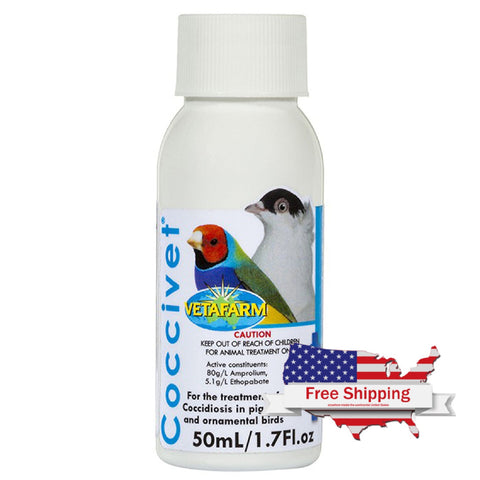
Coccidiosis is an intestinal disease caused by microscopic parasites and can be particularly serious in chicks and young poultry. Available products must be reviewed for their active ingredient, labeled species, administration directions and suitability for the intended flock.
Chicken Dewormers and Parasite Control
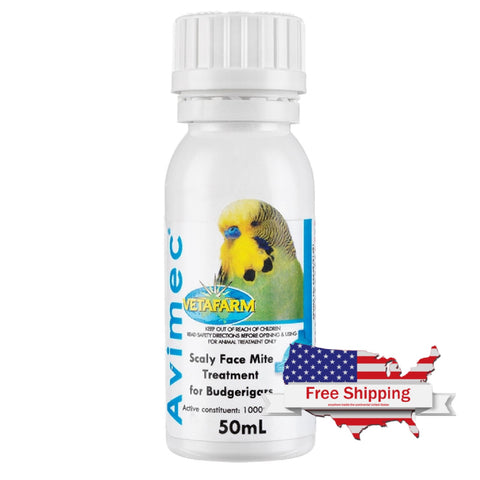
Internal worms, mites and lice can affect condition, feather quality, comfort and production. Product selection should be based on the type of parasite, current poultry labeling and any applicable egg or meat restrictions.
Chicken Wound and Skin Care
Poultry first-aid products may help clean and protect minor external injuries. Wound sprays, saline solutions, dressings, wraps and isolation supplies are useful additions to a prepared chicken first-aid kit.
Chicken Digestive and Crop Support
Digestive products may include probiotics, electrolytes, nutritional support and supplies for monitoring birds with changes in appetite, droppings or crop function. Persistent symptoms, severe abdominal enlargement or inability to eat require professional evaluation.
Chicken Recovery Support
Recovery products can support hydration, nutrition, warmth, isolation and careful monitoring during periods of illness, transportation, heat stress or other challenges. Supportive care does not replace diagnosis or necessary veterinary treatment.
```Types of Poultry Medicine and Health Products
```Chicken Antibiotics
Antibiotics are intended for susceptible bacterial health conditions and do not work against viruses, nutritional deficiencies or most parasites. Many medically important animal antibiotics require veterinary authorization in the United States.
Anticoccidial Products
Anticoccidial products are used for the prevention, control or treatment of coccidiosis when supported by the current product label. Customers should follow the exact concentration and administration instructions provided for the individual product.
Chicken Dewormers
Deworming products differ by active ingredient, target parasite and approved species. Some commonly discussed animal dewormers are not labeled for laying hens or may require veterinary guidance and food-withdrawal instructions.
External Parasite Products
Poultry-labeled mite and lice products may be intended for direct application to birds, treatment of the coop or both. Always confirm the approved application site, frequency, protective precautions and environmental restrictions.
Vitamins, Electrolytes and Probiotics
Nutritional supplements can support hydration, normal digestive function, growth, egg production, molting and recovery. Supplements should not be presented as replacements for antibiotics or veterinary care when a bacterial disease is suspected.
First-Aid and Wound-Care Supplies
A poultry first-aid kit may include saline, wound-care products, gauze, wraps, gloves, measuring supplies and equipment for safely isolating and monitoring an affected bird.
```Shop Chicken Medicine by Format
```Different formats can support individual-bird or flock-level administration when permitted by the product label.
- Water-soluble chicken medicine
- Poultry medicine powders
- Oral solutions
- Tablets and capsules
- Topical sprays and cleansers
- Ointments and skin-care products
- Feed and water supplements
- Coop and poultry-premise treatments
Concentrations and directions are not interchangeable. Never apply instructions from one formulation, package size or active-ingredient concentration to another product.
```How to Select Medicine for a Sick Chicken
```- Observe the symptoms. Record changes in breathing, appetite, drinking, droppings, activity, posture, comb color, egg production and mobility.
- Separate the affected chicken. A clean isolation area can reduce contact with the flock and make monitoring easier.
- Review housing conditions. Check ventilation, moisture, temperature, ammonia, mold, feed quality and water cleanliness.
- Identify the product category. Determine whether the concern may require supportive care, parasite control, wound management or veterinary evaluation.
- Read the complete product label. Verify the species, age, route, concentration, warnings and food-animal restrictions.
- Follow veterinary guidance. Prescription products and extra-label decisions require a valid veterinarian-client-patient relationship.
Chicken Medicine for Laying Hens
```Selecting medicine for laying hens requires additional care because drug residues may enter eggs. A product should not be described as safe for layers unless its current label clearly supports use in laying chickens under the stated conditions.
Before using a product in laying hens, confirm:
- Whether laying chickens are included on the label
- Whether eggs may be consumed during use
- Whether an egg-discard period is required
- Whether veterinary authorization is necessary
- Whether the product carries specific restrictions
Medicine for Meat Chickens
Products used in meat birds may require a withdrawal period before processing. The required period depends on the exact product, route and labeled use. Never apply a withdrawal period taken from another product or species.
```When a Chicken Needs Professional Care
```Contact a poultry veterinarian or qualified animal-health professional when a chicken has severe breathing difficulty, neurological signs, major trauma, uncontrolled bleeding, extreme weakness, inability to stand, persistent inability to eat or drink, suspected poisoning or rapidly worsening symptoms.
Multiple unexplained illnesses or deaths within a flock may require contact with a veterinarian, diagnostic laboratory or state animal-health authority. Do not rely on online product selection when a contagious or reportable disease is possible.
```Chicken Medicine Frequently Asked Questions
```What medicine should I give a sick chicken?
The appropriate product depends on the symptoms and underlying cause. Illness may result from bacteria, viruses, parasites, nutritional deficiencies, toxins, injuries or environmental conditions. Begin with observation, isolation and an evaluation of the bird’s environment, then seek veterinary assistance when necessary.
Does every sick chicken need antibiotics?
No. Antibiotics are intended for susceptible bacterial conditions. They do not treat viral diseases, most parasites, nutritional deficiencies or environmental problems.
Can pigeon medicine be used for chickens?
Not automatically. Pigeon and pet-bird products may have different labeling and may not address egg or meat safety. Chickens must be treated as food-producing animals unless it is definitively established otherwise under applicable professional guidance.
Can chicken medicine be added to drinking water?
Only when water administration is included in the directions for the exact product. Concentration, preparation, duration and access to other water sources can affect administration.
Can eggs be eaten after giving a chicken medicine?
Egg restrictions vary by product. Review the current label and follow instructions from the prescribing veterinarian. Do not assume that a product has a zero-day withdrawal period unless this is explicitly supported.
```






ABOUT THIS COLLECTION
Chicken Medicine
Read MoreShow Less
Chicken Medicine for Complete Flock Health and Care
```Healthy chickens depend on clean housing, balanced nutrition, fresh water, effective biosecurity and careful daily observation. When health concerns appear, access to properly selected chicken medicine, supplements and first-aid products can help flock owners respond responsibly.
The Chicken Medicine collection at ChickenAntibiotics.com brings together poultry health products for backyard chickens, laying hens, chicks, breeders and small flocks. Explore products for respiratory support, digestive health, coccidiosis, external parasites, internal parasites, wounds, hydration and recovery.
Every product must be selected according to its current label, intended species, administration route and regulatory classification. Products suitable for pigeons or pet birds should not automatically be considered appropriate for chickens, particularly when eggs or meat may enter the human food supply.
```Shop Chicken Medicine by Health Concern
```Chickens may display similar symptoms even when the underlying causes are different. A bird that appears weak, stops eating, develops diarrhea or begins breathing abnormally may be affected by disease, parasites, nutritional deficiencies, environmental stress or poor housing conditions.
Organizing poultry medicine by health concern makes it easier to compare relevant product categories without assuming that every symptom requires an antibiotic.
Chicken Respiratory Medicine
Explore poultry products and supportive care for chickens showing respiratory concerns such as sneezing, watery eyes, nasal discharge or noisy breathing. Respiratory signs may be associated with infectious disease, dust, mold, ammonia, poor ventilation or other environmental causes.
Chicken Coccidiosis Products
Coccidiosis is an intestinal disease caused by microscopic parasites and can be particularly serious in chicks and young poultry. Available products must be reviewed for their active ingredient, labeled species, administration directions and suitability for the intended flock.
Chicken Dewormers and Parasite Control
Internal worms, mites and lice can affect condition, feather quality, comfort and production. Product selection should be based on the type of parasite, current poultry labeling and any applicable egg or meat restrictions.
Chicken Wound and Skin Care
Poultry first-aid products may help clean and protect minor external injuries. Wound sprays, saline solutions, dressings, wraps and isolation supplies are useful additions to a prepared chicken first-aid kit.
Chicken Digestive and Crop Support
Digestive products may include probiotics, electrolytes, nutritional support and supplies for monitoring birds with changes in appetite, droppings or crop function. Persistent symptoms, severe abdominal enlargement or inability to eat require professional evaluation.
Chicken Recovery Support
Recovery products can support hydration, nutrition, warmth, isolation and careful monitoring during periods of illness, transportation, heat stress or other challenges. Supportive care does not replace diagnosis or necessary veterinary treatment.
```Types of Poultry Medicine and Health Products
```Chicken Antibiotics
Antibiotics are intended for susceptible bacterial health conditions and do not work against viruses, nutritional deficiencies or most parasites. Many medically important animal antibiotics require veterinary authorization in the United States.
Anticoccidial Products
Anticoccidial products are used for the prevention, control or treatment of coccidiosis when supported by the current product label. Customers should follow the exact concentration and administration instructions provided for the individual product.
Chicken Dewormers
Deworming products differ by active ingredient, target parasite and approved species. Some commonly discussed animal dewormers are not labeled for laying hens or may require veterinary guidance and food-withdrawal instructions.
External Parasite Products
Poultry-labeled mite and lice products may be intended for direct application to birds, treatment of the coop or both. Always confirm the approved application site, frequency, protective precautions and environmental restrictions.
Vitamins, Electrolytes and Probiotics
Nutritional supplements can support hydration, normal digestive function, growth, egg production, molting and recovery. Supplements should not be presented as replacements for antibiotics or veterinary care when a bacterial disease is suspected.
First-Aid and Wound-Care Supplies
A poultry first-aid kit may include saline, wound-care products, gauze, wraps, gloves, measuring supplies and equipment for safely isolating and monitoring an affected bird.
```Shop Chicken Medicine by Format
```Different formats can support individual-bird or flock-level administration when permitted by the product label.
- Water-soluble chicken medicine
- Poultry medicine powders
- Oral solutions
- Tablets and capsules
- Topical sprays and cleansers
- Ointments and skin-care products
- Feed and water supplements
- Coop and poultry-premise treatments
Concentrations and directions are not interchangeable. Never apply instructions from one formulation, package size or active-ingredient concentration to another product.
```How to Select Medicine for a Sick Chicken
```- Observe the symptoms. Record changes in breathing, appetite, drinking, droppings, activity, posture, comb color, egg production and mobility.
- Separate the affected chicken. A clean isolation area can reduce contact with the flock and make monitoring easier.
- Review housing conditions. Check ventilation, moisture, temperature, ammonia, mold, feed quality and water cleanliness.
- Identify the product category. Determine whether the concern may require supportive care, parasite control, wound management or veterinary evaluation.
- Read the complete product label. Verify the species, age, route, concentration, warnings and food-animal restrictions.
- Follow veterinary guidance. Prescription products and extra-label decisions require a valid veterinarian-client-patient relationship.
Chicken Medicine for Laying Hens
```Selecting medicine for laying hens requires additional care because drug residues may enter eggs. A product should not be described as safe for layers unless its current label clearly supports use in laying chickens under the stated conditions.
Before using a product in laying hens, confirm:
- Whether laying chickens are included on the label
- Whether eggs may be consumed during use
- Whether an egg-discard period is required
- Whether veterinary authorization is necessary
- Whether the product carries specific restrictions
Medicine for Meat Chickens
Products used in meat birds may require a withdrawal period before processing. The required period depends on the exact product, route and labeled use. Never apply a withdrawal period taken from another product or species.
```When a Chicken Needs Professional Care
```Contact a poultry veterinarian or qualified animal-health professional when a chicken has severe breathing difficulty, neurological signs, major trauma, uncontrolled bleeding, extreme weakness, inability to stand, persistent inability to eat or drink, suspected poisoning or rapidly worsening symptoms.
Multiple unexplained illnesses or deaths within a flock may require contact with a veterinarian, diagnostic laboratory or state animal-health authority. Do not rely on online product selection when a contagious or reportable disease is possible.
```Chicken Medicine Frequently Asked Questions
```What medicine should I give a sick chicken?
The appropriate product depends on the symptoms and underlying cause. Illness may result from bacteria, viruses, parasites, nutritional deficiencies, toxins, injuries or environmental conditions. Begin with observation, isolation and an evaluation of the bird’s environment, then seek veterinary assistance when necessary.
Does every sick chicken need antibiotics?
No. Antibiotics are intended for susceptible bacterial conditions. They do not treat viral diseases, most parasites, nutritional deficiencies or environmental problems.
Can pigeon medicine be used for chickens?
Not automatically. Pigeon and pet-bird products may have different labeling and may not address egg or meat safety. Chickens must be treated as food-producing animals unless it is definitively established otherwise under applicable professional guidance.
Can chicken medicine be added to drinking water?
Only when water administration is included in the directions for the exact product. Concentration, preparation, duration and access to other water sources can affect administration.
Can eggs be eaten after giving a chicken medicine?
Egg restrictions vary by product. Review the current label and follow instructions from the prescribing veterinarian. Do not assume that a product has a zero-day withdrawal period unless this is explicitly supported.
```Chicken Medicine for Complete Flock Health and Care ``` Healthy chickens depend on clean housing, balanced nutrition, fresh water, effective biosecurity and careful daily observation. When health concerns appear, ...
