 Help & Contact
 Order Tracking


Chicken Care
Chicken Care Supplies and Backyard Poultry Essentials
Keep your flock’s daily care organized with our complete collection of chicken care supplies. Explore poultry first aid kits, medication tools, measuring syringes, feeders, waterers, isolation supplies, coop disinfectants, pest-control products and brooder essentials for chicks, hens, roosters and backyard chickens.
Professional chicken care involves more than responding to illness. Clean housing, reliable access to food and water, accurate product administration, biosecurity and early observation all contribute to healthier birds and better flock management.
Shop Chicken Care Supplies by Category
- Chicken First Aid Kits: Organized kits containing essential supplies for minor injuries and urgent flock-care situations.
- Medication Supplies: Applicators, measuring tools, storage accessories and other products used during poultry care.
- Measuring Syringes: Clearly marked oral syringes for accurately measuring appropriate liquid products.
- Poultry Waterers: Drinking systems designed to provide chickens with cleaner and more reliable water access.
- Poultry Feeders: Feed containers that help reduce waste, moisture exposure and contamination.
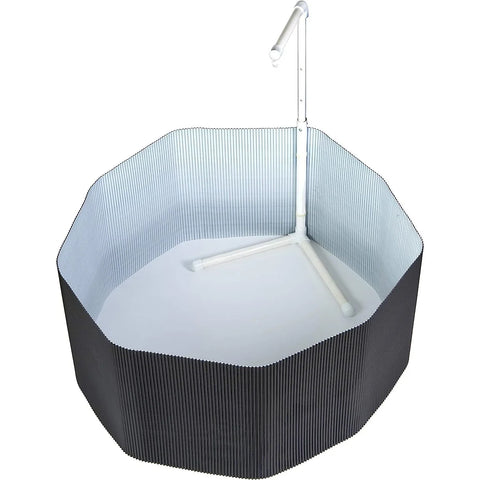
- Isolation and Recovery Supplies: Equipment for creating a safe, clean and comfortable space for sick or injured birds.
- Coop Disinfectants: Poultry-appropriate cleaning and disinfection products for housing and equipment.
- Poultry Biosecurity Supplies: Products that help reduce the movement of contaminants between birds, coops and properties.
- Chicken Coop Pest Control: Products intended to manage mites, lice, flies, rodents or other coop pests.
- Brooder and Chick Care: Feeders, waterers, heat-management tools and daily-care essentials for young chicks.
Chicken First Aid and Emergency Preparation
Keeping poultry first aid supplies available can save valuable time when a chicken is injured. A practical first aid setup may include sterile saline, poultry-safe wound cleanser, gauze, disposable gloves, bleeding-control powder, bandaging materials and a clean recovery enclosure.
First aid supplies are intended to stabilize and protect a bird while the injury is assessed. Deep wounds, predator bites, fractures, severe bleeding and breathing difficulty require professional veterinary care.
Medication and Measuring Supplies
Accurate measurement is essential when preparing poultry medicines or supplements. Product concentrations vary, so always follow the directions supplied with the exact formula being used.
Use clearly marked, appropriately sized measuring devices. Keep separate tools for animal care, clean them according to the manufacturer’s instructions and never return unused product from a syringe to its original container.
Do not use a needle or attempt an injection unless specifically directed and trained by a licensed veterinarian.
Poultry Waterers
Clean drinking water is fundamental to digestion, temperature regulation, egg production and overall health. Poultry waterers should provide easy access while limiting contamination from bedding, feed and droppings.
Choose a waterer based on the flock’s size, age and housing system. Chicks require shallow or chick-safe drinking equipment that reduces drowning risk, while adult flocks need enough drinking space to prevent competition.
- Clean and refill waterers regularly.
- Remove algae, biofilm and mineral buildup.
- Keep water shaded during hot weather.
- Prevent freezing during cold conditions.
- Check nipples, valves and automatic systems daily.
Poultry Feeders
A suitable chicken feeder helps keep feed dry, accessible and protected from contamination. It can also reduce waste and limit access by rodents and wild birds.
Provide enough feeder space for all birds and select a design appropriate for chicks or adult poultry. Clean accumulated dust and spoiled feed regularly, and store bulk feed in dry, pest-resistant containers.
Isolation and Recovery Care
A separate recovery area makes it easier to monitor a sick or injured chicken’s appetite, water intake, droppings, mobility and response to care. It may also reduce flock aggression and limit exposure when contagious illness is suspected.
A suitable isolation space should include:
- Clean, dry and nonslip bedding
- Good ventilation without direct drafts
- Easy access to feed and water
- A comfortable and appropriate temperature
- Protection from predators and flock mates
- Equipment that can be cleaned and disinfected
Coop Cleaning and Disinfection
Cleaning removes bedding, manure, dust and organic debris. Disinfection is a separate step performed after cleaning, using a product suitable for poultry environments.
Always follow the disinfectant label for dilution, contact time, protective equipment, ventilation and whether birds must be removed during application. Never combine cleaning chemicals, particularly bleach and ammonia-containing products.
Poultry Biosecurity Supplies
Biosecurity reduces the risk of disease entering or spreading within a flock. Useful supplies may include dedicated footwear, disposable gloves, protective clothing, boot-cleaning equipment, disinfectants and quarantine accessories.
Good biosecurity practices include:
- Quarantining new or returning birds
- Using dedicated footwear and tools for the coop
- Cleaning equipment before moving between flocks
- Limiting unnecessary visitors and animal contact
- Preventing wild birds and rodents from accessing feed
- Isolating visibly sick birds promptly
Chicken Coop Pest Control
Mites, lice, flies and rodents can affect chicken health and contaminate feed or housing. Select pest-control products according to the target pest, application area and poultry-safety instructions.
Some products are intended for use on birds, while others are limited to empty housing or surrounding areas. Never apply a coop-only pesticide directly to chickens.
Brooder and Chick Care
Young chicks require reliable warmth, clean water, complete starter feed, dry bedding and protection from drafts. Brooder equipment should be selected and arranged to reduce overheating, chilling, crowding and accidental injury.
Check chicks frequently for normal activity, even distribution beneath the heat source, clean vents and easy access to feed and water.
Choosing Professional Chicken Care Supplies
When selecting products, consider:
- The age and size of the birds
- The number of chickens in the flock
- The coop and run layout
- Whether the product contacts birds, eggs, feed or water
- Cleaning and storage requirements
- Product durability and ease of use
- Manufacturer warnings and safety directions
- Suitability for food-producing poultry
Build a Complete Chicken Care Routine
- Observe every bird at least once daily.
- Provide clean water and balanced poultry feed.
- Remove wet bedding and accumulated manure.
- Inspect birds for wounds, mites, lice and abnormal behavior.
- Clean feeders and waterers on a consistent schedule.
- Keep first aid and isolation supplies ready.
- Store medicines and supplements securely.
- Maintain records of illness, treatment and withdrawal periods.
When to Seek Veterinary Assistance
Chicken care supplies can help with prevention, monitoring and supportive care, but they cannot replace professional treatment. Contact a poultry veterinarian for severe breathing difficulty, neurological symptoms, uncontrolled bleeding, deep wounds, suspected fractures, bloody droppings, egg-binding signs or sudden illness affecting multiple birds.
Related Collections
- Chicken First Aid Kits
- Medication Supplies
- Measuring Syringes
- Poultry Waterers
- Poultry Feeders
- Isolation and Recovery Supplies
- Coop Disinfectants
- Poultry Biosecurity Supplies
- Chicken Coop Pest Control
- Brooder and Chick Care
- Chicken Medicine
- Chicken Supplements
Frequently Asked Questions
What basic supplies do chicken keepers need?
Essential supplies include suitable feeders and waterers, cleaning equipment, secure feed storage, first aid materials, accurate measuring tools and a separate area for isolating sick or injured birds.
What should be kept in a chicken first aid kit?
A basic kit may include gloves, sterile saline, poultry-safe wound cleanser, gauze, bleeding-control powder, bandaging material, measuring syringes and emergency contact information.
How often should chicken waterers be cleaned?
Waterers should be inspected daily and cleaned whenever contamination, algae or biofilm appears. Cleaning frequency may need to increase during hot weather.
Can household disinfectants be used in chicken coops?
Only use a disinfectant when its label permits the intended poultry-environment application. Follow all dilution, contact-time, ventilation and animal-removal instructions.
Why is an isolation area important?
Isolation protects weak birds from flock aggression, supports closer monitoring and may help limit disease transmission while the cause of illness is investigated.




ABOUT THIS COLLECTION
Chicken Care
Read MoreShow Less
Chicken Care Supplies and Backyard Poultry Essentials
Keep your flock’s daily care organized with our complete collection of chicken care supplies. Explore poultry first aid kits, medication tools, measuring syringes, feeders, waterers, isolation supplies, coop disinfectants, pest-control products and brooder essentials for chicks, hens, roosters and backyard chickens.
Professional chicken care involves more than responding to illness. Clean housing, reliable access to food and water, accurate product administration, biosecurity and early observation all contribute to healthier birds and better flock management.
Shop Chicken Care Supplies by Category
- Chicken First Aid Kits: Organized kits containing essential supplies for minor injuries and urgent flock-care situations.
- Medication Supplies: Applicators, measuring tools, storage accessories and other products used during poultry care.
- Measuring Syringes: Clearly marked oral syringes for accurately measuring appropriate liquid products.
- Poultry Waterers: Drinking systems designed to provide chickens with cleaner and more reliable water access.
- Poultry Feeders: Feed containers that help reduce waste, moisture exposure and contamination.
- Isolation and Recovery Supplies: Equipment for creating a safe, clean and comfortable space for sick or injured birds.
- Coop Disinfectants: Poultry-appropriate cleaning and disinfection products for housing and equipment.
- Poultry Biosecurity Supplies: Products that help reduce the movement of contaminants between birds, coops and properties.
- Chicken Coop Pest Control: Products intended to manage mites, lice, flies, rodents or other coop pests.
- Brooder and Chick Care: Feeders, waterers, heat-management tools and daily-care essentials for young chicks.
Chicken First Aid and Emergency Preparation
Keeping poultry first aid supplies available can save valuable time when a chicken is injured. A practical first aid setup may include sterile saline, poultry-safe wound cleanser, gauze, disposable gloves, bleeding-control powder, bandaging materials and a clean recovery enclosure.
First aid supplies are intended to stabilize and protect a bird while the injury is assessed. Deep wounds, predator bites, fractures, severe bleeding and breathing difficulty require professional veterinary care.
Medication and Measuring Supplies
Accurate measurement is essential when preparing poultry medicines or supplements. Product concentrations vary, so always follow the directions supplied with the exact formula being used.
Use clearly marked, appropriately sized measuring devices. Keep separate tools for animal care, clean them according to the manufacturer’s instructions and never return unused product from a syringe to its original container.
Do not use a needle or attempt an injection unless specifically directed and trained by a licensed veterinarian.
Poultry Waterers
Clean drinking water is fundamental to digestion, temperature regulation, egg production and overall health. Poultry waterers should provide easy access while limiting contamination from bedding, feed and droppings.
Choose a waterer based on the flock’s size, age and housing system. Chicks require shallow or chick-safe drinking equipment that reduces drowning risk, while adult flocks need enough drinking space to prevent competition.
- Clean and refill waterers regularly.
- Remove algae, biofilm and mineral buildup.
- Keep water shaded during hot weather.
- Prevent freezing during cold conditions.
- Check nipples, valves and automatic systems daily.
Poultry Feeders
A suitable chicken feeder helps keep feed dry, accessible and protected from contamination. It can also reduce waste and limit access by rodents and wild birds.
Provide enough feeder space for all birds and select a design appropriate for chicks or adult poultry. Clean accumulated dust and spoiled feed regularly, and store bulk feed in dry, pest-resistant containers.
Isolation and Recovery Care
A separate recovery area makes it easier to monitor a sick or injured chicken’s appetite, water intake, droppings, mobility and response to care. It may also reduce flock aggression and limit exposure when contagious illness is suspected.
A suitable isolation space should include:
- Clean, dry and nonslip bedding
- Good ventilation without direct drafts
- Easy access to feed and water
- A comfortable and appropriate temperature
- Protection from predators and flock mates
- Equipment that can be cleaned and disinfected
Coop Cleaning and Disinfection
Cleaning removes bedding, manure, dust and organic debris. Disinfection is a separate step performed after cleaning, using a product suitable for poultry environments.
Always follow the disinfectant label for dilution, contact time, protective equipment, ventilation and whether birds must be removed during application. Never combine cleaning chemicals, particularly bleach and ammonia-containing products.
Poultry Biosecurity Supplies
Biosecurity reduces the risk of disease entering or spreading within a flock. Useful supplies may include dedicated footwear, disposable gloves, protective clothing, boot-cleaning equipment, disinfectants and quarantine accessories.
Good biosecurity practices include:
- Quarantining new or returning birds
- Using dedicated footwear and tools for the coop
- Cleaning equipment before moving between flocks
- Limiting unnecessary visitors and animal contact
- Preventing wild birds and rodents from accessing feed
- Isolating visibly sick birds promptly
Chicken Coop Pest Control
Mites, lice, flies and rodents can affect chicken health and contaminate feed or housing. Select pest-control products according to the target pest, application area and poultry-safety instructions.
Some products are intended for use on birds, while others are limited to empty housing or surrounding areas. Never apply a coop-only pesticide directly to chickens.
Brooder and Chick Care
Young chicks require reliable warmth, clean water, complete starter feed, dry bedding and protection from drafts. Brooder equipment should be selected and arranged to reduce overheating, chilling, crowding and accidental injury.
Check chicks frequently for normal activity, even distribution beneath the heat source, clean vents and easy access to feed and water.
Choosing Professional Chicken Care Supplies
When selecting products, consider:
- The age and size of the birds
- The number of chickens in the flock
- The coop and run layout
- Whether the product contacts birds, eggs, feed or water
- Cleaning and storage requirements
- Product durability and ease of use
- Manufacturer warnings and safety directions
- Suitability for food-producing poultry
Build a Complete Chicken Care Routine
- Observe every bird at least once daily.
- Provide clean water and balanced poultry feed.
- Remove wet bedding and accumulated manure.
- Inspect birds for wounds, mites, lice and abnormal behavior.
- Clean feeders and waterers on a consistent schedule.
- Keep first aid and isolation supplies ready.
- Store medicines and supplements securely.
- Maintain records of illness, treatment and withdrawal periods.
When to Seek Veterinary Assistance
Chicken care supplies can help with prevention, monitoring and supportive care, but they cannot replace professional treatment. Contact a poultry veterinarian for severe breathing difficulty, neurological symptoms, uncontrolled bleeding, deep wounds, suspected fractures, bloody droppings, egg-binding signs or sudden illness affecting multiple birds.
Related Collections
- Chicken First Aid Kits
- Medication Supplies
- Measuring Syringes
- Poultry Waterers
- Poultry Feeders
- Isolation and Recovery Supplies
- Coop Disinfectants
- Poultry Biosecurity Supplies
- Chicken Coop Pest Control
- Brooder and Chick Care
- Chicken Medicine
- Chicken Supplements
Frequently Asked Questions
What basic supplies do chicken keepers need?
Essential supplies include suitable feeders and waterers, cleaning equipment, secure feed storage, first aid materials, accurate measuring tools and a separate area for isolating sick or injured birds.
What should be kept in a chicken first aid kit?
A basic kit may include gloves, sterile saline, poultry-safe wound cleanser, gauze, bleeding-control powder, bandaging material, measuring syringes and emergency contact information.
How often should chicken waterers be cleaned?
Waterers should be inspected daily and cleaned whenever contamination, algae or biofilm appears. Cleaning frequency may need to increase during hot weather.
Can household disinfectants be used in chicken coops?
Only use a disinfectant when its label permits the intended poultry-environment application. Follow all dilution, contact-time, ventilation and animal-removal instructions.
Why is an isolation area important?
Isolation protects weak birds from flock aggression, supports closer monitoring and may help limit disease transmission while the cause of illness is investigated.
Chicken Care Supplies and Backyard Poultry Essentials Keep your flock’s daily care organized with our complete collection of chicken care supplies. Explore poultry first aid kits, medication tools, measuring syringes...
