 Help & Contact
 Order Tracking


Chicken Antibiotic Powders
Chicken Antibiotic Powders and Poultry Medicine
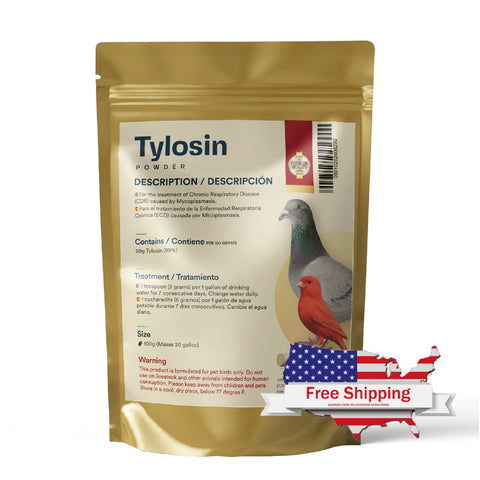
```Powdered poultry medicines provide a convenient format when an appropriately labeled or prescribed product must be measured and prepared for chickens. Depending on the product, antibiotic powders may be intended for administration through drinking water, feed or another specifically stated route.
The Chicken Antibiotic Powders collection at ChickenAntibiotics.com brings together powdered poultry medicines associated with susceptible bacterial respiratory, intestinal and systemic health concerns. Available products must be evaluated according to their active ingredient, concentration, intended species, administration route and current regulatory status.
Similar-looking powders are not interchangeable. Products containing the same active ingredient may have different concentrations, preparation directions and restrictions. Always follow the information provided for the exact product.
```Types of Powdered Antibiotics for Chickens
```Water-Soluble Antibiotic Powders
Water-soluble powders are prepared in a measured volume of drinking water when this method is supported by the product label or veterinary instructions. This format may be useful for flock-level administration, but only birds actively drinking the prepared water can receive the intended product.
Individually Prepared Poultry Powders
Some products may be prepared for individual administration under specific label or veterinary directions. Accurate measurement is especially important when working with concentrated powders and small birds.
Prescription Antibiotic Powders
Many medically important animal antibiotics require authorization from a licensed veterinarian. A powdered format does not change the product’s prescription status or remove the need for veterinary oversight.
Feed-Administration Products
Products administered in or on animal feed may be regulated differently from water-soluble or individually administered medicine. A Veterinary Feed Directive may be required, and extra-label use in animal feed is not permitted.
```Chicken Health Concerns and Antibiotic Powders
```The correct poultry medicine depends on the underlying condition rather than the product format. Depending on the active ingredient and current label, powdered antibiotics may be associated with susceptible bacterial concerns involving:
- The respiratory system
- The intestinal and digestive system
- Soft tissue and external injuries
- Multiple body systems
- Secondary bacterial complications
Antibiotic powders do not directly treat viral diseases, worms, mites, lice, fungal conditions, nutritional deficiencies or environmental irritation. Coccidiosis is caused by protozoan parasites and requires an appropriately selected anticoccidial product rather than automatic antibiotic use.
```How to Compare Chicken Antibiotic Powders
```Review the following information before selecting a powdered poultry medicine:
- Active ingredient
- Ingredient concentration
- Intended animal species
- Approved health indication
- Administration method
- Required water or feed volume
- Prescription or Veterinary Feed Directive status
- Suitability for laying hens
- Egg and meat withdrawal instructions
- Storage conditions and expiration date
Never select a product solely because its ingredient name resembles another medicine. The complete formulation and legal labeling determine how a product may be supplied and used.
```Preparing Chicken Antibiotic Powder Responsibly
```- Read the complete label. Confirm that the product, species and proposed administration route are appropriate.
- Use accurate measuring equipment. Household spoons may not provide the accuracy required for concentrated powders.
- Measure the correct water or feed quantity. The final concentration depends on both the powder quantity and preparation volume.
- Mix thoroughly. Prepare the product according to the stated directions and ensure it is distributed appropriately.
- Prepare fresh mixtures as instructed. Stability after mixing varies between products.
- Clean preparation equipment. Use dedicated tools and prevent cross-contamination.
- Monitor the chickens. Confirm that affected birds continue to drink, eat and maintain adequate hydration.
Do not increase the concentration, extend the administration period or combine several medicines unless specifically directed by a licensed veterinarian.
```Monitoring Chickens Receiving Powdered Medicine
```Water and feed consumption can vary according to age, weather, flock size, illness severity and product taste. A severely ill chicken may consume too little medicated water or feed to receive the intended amount.
Monitor each affected bird for:
- Water consumption
- Feed intake
- Activity and posture
- Dropping appearance
- Respiratory effort
- Body condition
- Changes in symptoms
A chicken that stops drinking, cannot stand or continues to deteriorate requires prompt professional assistance.
```Responsible Use of Chicken Antibiotic Powders
```Antibiotic treatment should be based on an appropriate bacterial indication. Using antibiotics for an undiagnosed viral, parasitic, nutritional or environmental problem may provide no benefit and can delay effective care.
Before administering a powdered antibiotic:
- Observe and document the chicken’s symptoms
- Determine whether one bird or multiple birds are affected
- Separate visibly sick chickens when appropriate
- Inspect housing, ventilation, feed and water quality
- Confirm the product’s prescription or VFD status
- Follow the exact preparation and administration instructions
- Complete all required food-withdrawal periods
Antibiotic Powders for Laying Hens and Meat Birds
```Chickens producing eggs or meat for human consumption are food-producing animals. Before administering any antibiotic powder, confirm whether the product is labeled for chickens and whether it is permitted for the bird’s production class.
Review all applicable:
- Laying-hen restrictions
- Egg-discard instructions
- Egg-withdrawal periods
- Meat-withdrawal periods
- Age limitations
- Prescription or VFD requirements
Withdrawal periods are specific to the exact product and use. Never apply the withdrawal information from one ingredient, concentration, species or administration route to another.
```Storing Powdered Poultry Medicine
```Store chicken antibiotic powders according to the manufacturer’s instructions. Keep containers tightly closed and protected from excessive heat, moisture, direct sunlight and contamination.
Do not use products with damaged packaging, missing labels, unknown lot information or an expired shelf life. Keep all poultry medicines securely separated from food, feed and household products.
```When to Contact a Poultry Veterinarian
```Seek prompt veterinary assistance when a chicken has severe breathing difficulty, neurological signs, bloody diarrhea, pronounced dehydration, inability to stand, uncontrolled bleeding, suspected poisoning or rapidly worsening illness.
Illness or unexplained deaths affecting multiple birds may indicate a contagious or reportable poultry disease. Isolate affected chickens, strengthen biosecurity and contact a veterinarian or state animal-health authority.
```Chicken Antibiotic Powders Frequently Asked Questions
```Can chicken antibiotic powder be mixed with drinking water?
Only when drinking-water administration is included on the exact product label or provided through lawful veterinary instructions.
Can antibiotic powder be mixed with chicken feed?
Only when feed administration is specifically authorized. Products used in or on animal feed may require a Veterinary Feed Directive, and extra-label use in feed is not permitted.
Are all antibiotic powders water soluble?
No. Product formulations and administration routes vary. Confirm that the exact powder is intended to dissolve or disperse in drinking water before preparation.
Can household spoons be used to measure antibiotic powder?
Household spoons may be inaccurate. Use suitable measuring equipment and follow the product label or veterinary instructions.
Can antibiotic powders be used for laying hens?
Suitability depends on the exact product. Verify laying-hen restrictions and egg-withdrawal or discard instructions before use.
```




ABOUT THIS COLLECTION
Chicken Antibiotic Powders
Read MoreShow Less
Chicken Antibiotic Powders and Poultry Medicine
```Powdered poultry medicines provide a convenient format when an appropriately labeled or prescribed product must be measured and prepared for chickens. Depending on the product, antibiotic powders may be intended for administration through drinking water, feed or another specifically stated route.
The Chicken Antibiotic Powders collection at ChickenAntibiotics.com brings together powdered poultry medicines associated with susceptible bacterial respiratory, intestinal and systemic health concerns. Available products must be evaluated according to their active ingredient, concentration, intended species, administration route and current regulatory status.
Similar-looking powders are not interchangeable. Products containing the same active ingredient may have different concentrations, preparation directions and restrictions. Always follow the information provided for the exact product.
```Types of Powdered Antibiotics for Chickens
```Water-Soluble Antibiotic Powders
Water-soluble powders are prepared in a measured volume of drinking water when this method is supported by the product label or veterinary instructions. This format may be useful for flock-level administration, but only birds actively drinking the prepared water can receive the intended product.
Individually Prepared Poultry Powders
Some products may be prepared for individual administration under specific label or veterinary directions. Accurate measurement is especially important when working with concentrated powders and small birds.
Prescription Antibiotic Powders
Many medically important animal antibiotics require authorization from a licensed veterinarian. A powdered format does not change the product’s prescription status or remove the need for veterinary oversight.
Feed-Administration Products
Products administered in or on animal feed may be regulated differently from water-soluble or individually administered medicine. A Veterinary Feed Directive may be required, and extra-label use in animal feed is not permitted.
```Chicken Health Concerns and Antibiotic Powders
```The correct poultry medicine depends on the underlying condition rather than the product format. Depending on the active ingredient and current label, powdered antibiotics may be associated with susceptible bacterial concerns involving:
- The respiratory system
- The intestinal and digestive system
- Soft tissue and external injuries
- Multiple body systems
- Secondary bacterial complications
Antibiotic powders do not directly treat viral diseases, worms, mites, lice, fungal conditions, nutritional deficiencies or environmental irritation. Coccidiosis is caused by protozoan parasites and requires an appropriately selected anticoccidial product rather than automatic antibiotic use.
```How to Compare Chicken Antibiotic Powders
```Review the following information before selecting a powdered poultry medicine:
- Active ingredient
- Ingredient concentration
- Intended animal species
- Approved health indication
- Administration method
- Required water or feed volume
- Prescription or Veterinary Feed Directive status
- Suitability for laying hens
- Egg and meat withdrawal instructions
- Storage conditions and expiration date
Never select a product solely because its ingredient name resembles another medicine. The complete formulation and legal labeling determine how a product may be supplied and used.
```Preparing Chicken Antibiotic Powder Responsibly
```- Read the complete label. Confirm that the product, species and proposed administration route are appropriate.
- Use accurate measuring equipment. Household spoons may not provide the accuracy required for concentrated powders.
- Measure the correct water or feed quantity. The final concentration depends on both the powder quantity and preparation volume.
- Mix thoroughly. Prepare the product according to the stated directions and ensure it is distributed appropriately.
- Prepare fresh mixtures as instructed. Stability after mixing varies between products.
- Clean preparation equipment. Use dedicated tools and prevent cross-contamination.
- Monitor the chickens. Confirm that affected birds continue to drink, eat and maintain adequate hydration.
Do not increase the concentration, extend the administration period or combine several medicines unless specifically directed by a licensed veterinarian.
```Monitoring Chickens Receiving Powdered Medicine
```Water and feed consumption can vary according to age, weather, flock size, illness severity and product taste. A severely ill chicken may consume too little medicated water or feed to receive the intended amount.
Monitor each affected bird for:
- Water consumption
- Feed intake
- Activity and posture
- Dropping appearance
- Respiratory effort
- Body condition
- Changes in symptoms
A chicken that stops drinking, cannot stand or continues to deteriorate requires prompt professional assistance.
```Responsible Use of Chicken Antibiotic Powders
```Antibiotic treatment should be based on an appropriate bacterial indication. Using antibiotics for an undiagnosed viral, parasitic, nutritional or environmental problem may provide no benefit and can delay effective care.
Before administering a powdered antibiotic:
- Observe and document the chicken’s symptoms
- Determine whether one bird or multiple birds are affected
- Separate visibly sick chickens when appropriate
- Inspect housing, ventilation, feed and water quality
- Confirm the product’s prescription or VFD status
- Follow the exact preparation and administration instructions
- Complete all required food-withdrawal periods
Antibiotic Powders for Laying Hens and Meat Birds
```Chickens producing eggs or meat for human consumption are food-producing animals. Before administering any antibiotic powder, confirm whether the product is labeled for chickens and whether it is permitted for the bird’s production class.
Review all applicable:
- Laying-hen restrictions
- Egg-discard instructions
- Egg-withdrawal periods
- Meat-withdrawal periods
- Age limitations
- Prescription or VFD requirements
Withdrawal periods are specific to the exact product and use. Never apply the withdrawal information from one ingredient, concentration, species or administration route to another.
```Storing Powdered Poultry Medicine
```Store chicken antibiotic powders according to the manufacturer’s instructions. Keep containers tightly closed and protected from excessive heat, moisture, direct sunlight and contamination.
Do not use products with damaged packaging, missing labels, unknown lot information or an expired shelf life. Keep all poultry medicines securely separated from food, feed and household products.
```When to Contact a Poultry Veterinarian
```Seek prompt veterinary assistance when a chicken has severe breathing difficulty, neurological signs, bloody diarrhea, pronounced dehydration, inability to stand, uncontrolled bleeding, suspected poisoning or rapidly worsening illness.
Illness or unexplained deaths affecting multiple birds may indicate a contagious or reportable poultry disease. Isolate affected chickens, strengthen biosecurity and contact a veterinarian or state animal-health authority.
```Chicken Antibiotic Powders Frequently Asked Questions
```Can chicken antibiotic powder be mixed with drinking water?
Only when drinking-water administration is included on the exact product label or provided through lawful veterinary instructions.
Can antibiotic powder be mixed with chicken feed?
Only when feed administration is specifically authorized. Products used in or on animal feed may require a Veterinary Feed Directive, and extra-label use in feed is not permitted.
Are all antibiotic powders water soluble?
No. Product formulations and administration routes vary. Confirm that the exact powder is intended to dissolve or disperse in drinking water before preparation.
Can household spoons be used to measure antibiotic powder?
Household spoons may be inaccurate. Use suitable measuring equipment and follow the product label or veterinary instructions.
Can antibiotic powders be used for laying hens?
Suitability depends on the exact product. Verify laying-hen restrictions and egg-withdrawal or discard instructions before use.
```Chicken Antibiotic Powders and Poultry Medicine ``` Powdered poultry medicines provide a convenient format when an appropriately labeled or prescribed product must be measured and prepared for chickens. Depending ...
