 Help & Contact
 Order Tracking


Chicken Intestinal Antibiotics
Chicken Intestinal Antibiotics and Poultry Digestive Medicine
```Intestinal health plays an important role in a chicken’s appetite, hydration, nutrient absorption, growth and overall condition. When digestive problems appear, identifying the underlying cause is essential before selecting a treatment.
The Chicken Intestinal Antibiotics collection at ChickenAntibiotics.com brings together poultry medicines associated with susceptible bacterial intestinal concerns. Depending on current U.S. labeling and regulatory requirements, available options may include water-soluble powders, oral solutions and veterinary-directed products.
Antibiotics are intended for bacterial conditions and do not treat every cause of diarrhea, appetite loss or abnormal droppings. Similar symptoms may result from coccidiosis, worms, dietary changes, toxins, stress, viruses, spoiled feed or poor water quality.
```Signs of Intestinal Problems in Chickens
```Chickens experiencing digestive or intestinal problems may show one or more of the following signs:
- Persistent diarrhea or unusually watery droppings
- Changes in dropping color, consistency or odor
- Reduced appetite or refusal to eat
- Increased or decreased water consumption
- Weight loss or poor growth
- Weakness, inactivity or isolation from the flock
- Ruffled feathers or a hunched posture
- Reduced egg production
- Dehydration or loss of body condition
- Soiled feathers around the vent
Normal chicken droppings naturally vary throughout the day, and occasional changes do not always indicate disease. Persistent symptoms, bloody droppings, severe weakness or illness affecting multiple birds require prompt evaluation.
```What Causes Intestinal Problems in Chickens?
```Bacterial Intestinal Conditions
Certain bacteria may contribute to intestinal disease in poultry. Correct antibiotic selection depends on the suspected organism, the bird’s condition, current product labeling and, when appropriate, diagnostic testing or veterinary guidance.
Coccidiosis
Coccidiosis is caused by microscopic parasites rather than bacteria. It can produce diarrhea, weakness, poor growth and bloody droppings, particularly in chicks and young chickens. Coccidiosis requires an appropriate anticoccidial approach rather than automatic antibiotic use.
Worms and Internal Parasites
Roundworms, cecal worms, capillary worms and other internal parasites may affect digestion, body condition and production. Fecal testing can help determine whether parasites are present and which control strategy may be appropriate.
Feed, Water and Environmental Problems
Sudden dietary changes, moldy feed, contaminated water, excessive treats, toxins and unsanitary housing may also cause digestive problems. These conditions must be corrected even when additional treatment is required.
```Types of Chicken Intestinal Antibiotics
```Water-Soluble Intestinal Antibiotics
Water-soluble products may allow flock-level administration when drinking-water use is included on the current label. Accurate measurement, fresh preparation and monitoring of water consumption are essential.
Chicken Antibiotic Powders
Antibiotic powders vary in active ingredient, concentration and intended use. Directions from one product should never be applied to another formula, even when the products appear similar.
Antibiotic Oral Solutions
Oral solutions may be intended for individual administration or preparation in drinking water. Follow the directions for the exact concentration and never estimate a dose using instructions from a different product.
Prescription Chicken Antibiotics
Many medically important antibiotics require authorization from a licensed veterinarian. Prescription products must be obtained and administered through an appropriate veterinary or pharmacy pathway.
```Responsible Use of Intestinal Antibiotics for Chickens
```An intestinal antibiotic should not be selected solely because a chicken has diarrhea or abnormal droppings. Effective care begins by considering the bird’s age, diet, environment, flock history, parasite exposure and additional symptoms.
- Observe the affected chicken. Record changes in droppings, appetite, water intake, weight, posture and activity.
- Check the rest of the flock. Determine whether the problem affects one bird or several chickens.
- Isolate visibly sick birds. Provide a clean recovery area where food, water and droppings can be monitored.
- Inspect feed and water. Remove spoiled feed and clean contaminated feeders or waterers.
- Review the product label. Confirm the intended species, route, concentration, warnings and withdrawal requirements.
- Seek professional guidance. Persistent, severe or spreading digestive illness may require veterinary examination and diagnostic testing.
Digestive and Recovery Support for Chickens
```Supportive care may help maintain hydration, nutrition and normal digestive function while the underlying cause is being addressed. Appropriate products may include poultry electrolytes, probiotics, vitamins, recovery nutrition and dedicated feeders or waterers.
Supplements do not replace antibiotics when a susceptible bacterial infection requires treatment. Likewise, antibiotics do not replace parasite control, anticoccidial treatment, improved sanitation or nutritional correction when those are the actual needs.
```Intestinal Medicine for Laying Hens and Meat Birds
```Chickens producing eggs or meat for human consumption require careful product verification. Before administering an intestinal antibiotic, confirm whether the medicine is labeled for chickens, whether it may be used in laying hens and whether egg or meat withdrawal requirements apply.
There is no universal withdrawal period for chicken medicine. Follow the current product label and instructions from the prescribing veterinarian. Do not transfer withdrawal information between different ingredients, formulations or animal species.
```When to Contact a Poultry Veterinarian
```Seek professional assistance when a chicken develops bloody droppings, severe or persistent diarrhea, pronounced dehydration, rapid weight loss, inability to stand, abdominal swelling, neurological signs, suspected poisoning or rapidly worsening weakness.
Digestive illness or unexplained deaths affecting several birds may indicate a contagious or reportable poultry disease. Isolate affected chickens, strengthen biosecurity and contact a veterinarian or state animal-health authority.
```Chicken Intestinal Antibiotics Frequently Asked Questions
```Does chicken diarrhea always require an antibiotic?
No. Diarrhea may result from parasites, coccidiosis, diet, stress, contaminated water, viruses, toxins or environmental problems. The cause should be considered before selecting a treatment.
Do intestinal antibiotics treat coccidiosis?
Coccidiosis is caused by protozoan parasites and generally requires an appropriately labeled anticoccidial product. Antibiotics should not be presented as substitutes for proper coccidiosis management.
Can intestinal antibiotics be mixed with drinking water?
Only when drinking-water administration is supported by the exact product label or veterinary instructions. Concentrations, preparation directions and treatment periods vary between products.
Can intestinal medicine be used in laying hens?
Suitability depends on the exact product. Verify the current label, prescription status and egg-withdrawal or discard instructions before treating a laying hen.
Can pigeon intestinal medicine be used for chickens?
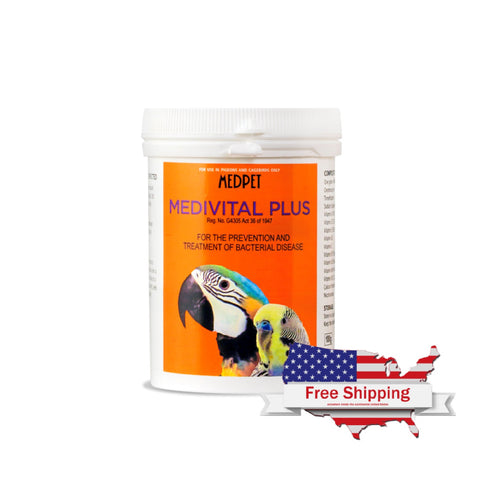
Not automatically. Pigeon products may not be labeled for food-producing chickens and may not provide the necessary egg or meat withdrawal information.
```




ABOUT THIS COLLECTION
Chicken Intestinal Antibiotics
Read MoreShow Less
Chicken Intestinal Antibiotics and Poultry Digestive Medicine
```Intestinal health plays an important role in a chicken’s appetite, hydration, nutrient absorption, growth and overall condition. When digestive problems appear, identifying the underlying cause is essential before selecting a treatment.
The Chicken Intestinal Antibiotics collection at ChickenAntibiotics.com brings together poultry medicines associated with susceptible bacterial intestinal concerns. Depending on current U.S. labeling and regulatory requirements, available options may include water-soluble powders, oral solutions and veterinary-directed products.
Antibiotics are intended for bacterial conditions and do not treat every cause of diarrhea, appetite loss or abnormal droppings. Similar symptoms may result from coccidiosis, worms, dietary changes, toxins, stress, viruses, spoiled feed or poor water quality.
```Signs of Intestinal Problems in Chickens
```Chickens experiencing digestive or intestinal problems may show one or more of the following signs:
- Persistent diarrhea or unusually watery droppings
- Changes in dropping color, consistency or odor
- Reduced appetite or refusal to eat
- Increased or decreased water consumption
- Weight loss or poor growth
- Weakness, inactivity or isolation from the flock
- Ruffled feathers or a hunched posture
- Reduced egg production
- Dehydration or loss of body condition
- Soiled feathers around the vent
Normal chicken droppings naturally vary throughout the day, and occasional changes do not always indicate disease. Persistent symptoms, bloody droppings, severe weakness or illness affecting multiple birds require prompt evaluation.
```What Causes Intestinal Problems in Chickens?
```Bacterial Intestinal Conditions
Certain bacteria may contribute to intestinal disease in poultry. Correct antibiotic selection depends on the suspected organism, the bird’s condition, current product labeling and, when appropriate, diagnostic testing or veterinary guidance.
Coccidiosis
Coccidiosis is caused by microscopic parasites rather than bacteria. It can produce diarrhea, weakness, poor growth and bloody droppings, particularly in chicks and young chickens. Coccidiosis requires an appropriate anticoccidial approach rather than automatic antibiotic use.
Worms and Internal Parasites
Roundworms, cecal worms, capillary worms and other internal parasites may affect digestion, body condition and production. Fecal testing can help determine whether parasites are present and which control strategy may be appropriate.
Feed, Water and Environmental Problems
Sudden dietary changes, moldy feed, contaminated water, excessive treats, toxins and unsanitary housing may also cause digestive problems. These conditions must be corrected even when additional treatment is required.
```Types of Chicken Intestinal Antibiotics
```Water-Soluble Intestinal Antibiotics
Water-soluble products may allow flock-level administration when drinking-water use is included on the current label. Accurate measurement, fresh preparation and monitoring of water consumption are essential.
Chicken Antibiotic Powders
Antibiotic powders vary in active ingredient, concentration and intended use. Directions from one product should never be applied to another formula, even when the products appear similar.
Antibiotic Oral Solutions
Oral solutions may be intended for individual administration or preparation in drinking water. Follow the directions for the exact concentration and never estimate a dose using instructions from a different product.
Prescription Chicken Antibiotics
Many medically important antibiotics require authorization from a licensed veterinarian. Prescription products must be obtained and administered through an appropriate veterinary or pharmacy pathway.
```Responsible Use of Intestinal Antibiotics for Chickens
```An intestinal antibiotic should not be selected solely because a chicken has diarrhea or abnormal droppings. Effective care begins by considering the bird’s age, diet, environment, flock history, parasite exposure and additional symptoms.
- Observe the affected chicken. Record changes in droppings, appetite, water intake, weight, posture and activity.
- Check the rest of the flock. Determine whether the problem affects one bird or several chickens.
- Isolate visibly sick birds. Provide a clean recovery area where food, water and droppings can be monitored.
- Inspect feed and water. Remove spoiled feed and clean contaminated feeders or waterers.
- Review the product label. Confirm the intended species, route, concentration, warnings and withdrawal requirements.
- Seek professional guidance. Persistent, severe or spreading digestive illness may require veterinary examination and diagnostic testing.
Digestive and Recovery Support for Chickens
```Supportive care may help maintain hydration, nutrition and normal digestive function while the underlying cause is being addressed. Appropriate products may include poultry electrolytes, probiotics, vitamins, recovery nutrition and dedicated feeders or waterers.
Supplements do not replace antibiotics when a susceptible bacterial infection requires treatment. Likewise, antibiotics do not replace parasite control, anticoccidial treatment, improved sanitation or nutritional correction when those are the actual needs.
```Intestinal Medicine for Laying Hens and Meat Birds
```Chickens producing eggs or meat for human consumption require careful product verification. Before administering an intestinal antibiotic, confirm whether the medicine is labeled for chickens, whether it may be used in laying hens and whether egg or meat withdrawal requirements apply.
There is no universal withdrawal period for chicken medicine. Follow the current product label and instructions from the prescribing veterinarian. Do not transfer withdrawal information between different ingredients, formulations or animal species.
```When to Contact a Poultry Veterinarian
```Seek professional assistance when a chicken develops bloody droppings, severe or persistent diarrhea, pronounced dehydration, rapid weight loss, inability to stand, abdominal swelling, neurological signs, suspected poisoning or rapidly worsening weakness.
Digestive illness or unexplained deaths affecting several birds may indicate a contagious or reportable poultry disease. Isolate affected chickens, strengthen biosecurity and contact a veterinarian or state animal-health authority.
```Chicken Intestinal Antibiotics Frequently Asked Questions
```Does chicken diarrhea always require an antibiotic?
No. Diarrhea may result from parasites, coccidiosis, diet, stress, contaminated water, viruses, toxins or environmental problems. The cause should be considered before selecting a treatment.
Do intestinal antibiotics treat coccidiosis?
Coccidiosis is caused by protozoan parasites and generally requires an appropriately labeled anticoccidial product. Antibiotics should not be presented as substitutes for proper coccidiosis management.
Can intestinal antibiotics be mixed with drinking water?
Only when drinking-water administration is supported by the exact product label or veterinary instructions. Concentrations, preparation directions and treatment periods vary between products.
Can intestinal medicine be used in laying hens?
Suitability depends on the exact product. Verify the current label, prescription status and egg-withdrawal or discard instructions before treating a laying hen.
Can pigeon intestinal medicine be used for chickens?
Not automatically. Pigeon products may not be labeled for food-producing chickens and may not provide the necessary egg or meat withdrawal information.
```Chicken Intestinal Antibiotics and Poultry Digestive Medicine ``` Intestinal health plays an important role in a chicken’s appetite, hydration, nutrient absorption, growth and overall condition. When digestive pro...
