 Help & Contact
 Order Tracking


Antiprotozoal Products
Antiprotozoal Products for Poultry, Pigeons and Birds
Explore our collection of antiprotozoal products organized by bird species, target organism, active ingredient and administration format. Find appropriately labeled or veterinary-directed products for protozoal concerns affecting chickens, pigeons and companion birds.
Protozoa are microscopic organisms that can cause conditions such as coccidiosis and trichomoniasis. These diseases require condition-specific management because an ordinary antibiotic or dewormer may not treat the responsible organism.
Common Protozoal Conditions in Birds
- Coccidiosis: An intestinal disease caused by coccidia that may affect chickens, chicks, pigeons and other birds.
- Canker or trichomoniasis: A disease caused by Trichomonas organisms, commonly associated with pigeons and some pet birds.
- Other protozoal infections: Less common conditions requiring species-specific veterinary diagnosis and treatment.
Different protozoal organisms may require different active ingredients. A product intended for one condition should not automatically be used for another.
Types of Antiprotozoal Products
- Water-soluble antiprotozoal products: Powders or liquids formulated for drinking-water administration.
- Oral solutions: Liquid products intended for appropriately directed individual or group use.
- Antiprotozoal powders: Concentrated formulas requiring accurate measurement and preparation.
- Tablets and capsules: Individually administered products used only when appropriate for the bird and condition.
- Anticoccidial products: Formulas intended for susceptible coccidia under their labeled or veterinary-directed uses.
- Canker products: Products selected for appropriately identified trichomoniasis in pigeons or other birds.
- Veterinary-directed products: Medicines requiring professional diagnosis, authorization or monitoring.
- Recovery-support products: Electrolytes, vitamins and nutritional formulas that support birds during recovery.
Signs of Coccidiosis
Possible signs of coccidiosis include:
- Bloody, dark or mucus-filled droppings
- Watery diarrhea
- Ruffled feathers and hunched posture
- Reduced appetite and water intake
- Weight loss or poor growth
- Pale comb, wattles or skin
- Weakness and dehydration
- Sudden death in severe cases
Young birds may deteriorate rapidly. Bloody droppings or illness affecting several chicks requires prompt professional attention.
Signs of Canker in Pigeons and Birds
Possible signs of trichomoniasis include:
- Yellowish or cream-colored material inside the mouth
- Difficulty swallowing
- Repeated regurgitation
- Wet feathers around the beak
- Reduced appetite
- Weight loss or poor performance
- Breathing difficulty when lesions obstruct the throat
- Poor growth in young pigeons
Do not scrape attached mouth or throat lesions. Disturbing them can cause bleeding and tissue damage.
Coccidiosis vs. Canker
Both conditions are caused by protozoal organisms, but they affect birds differently and may require different active ingredients.
- Coccidiosis primarily affects the intestinal tract and commonly causes abnormal or bloody droppings.
- Canker commonly affects the mouth, throat, crop or digestive tract and may cause lesions or swallowing difficulty.
Do not assume that every antiprotozoal product treats both conditions.
Antiprotozoal Products vs. Antibiotics
Antibiotics act against susceptible bacteria, while antiprotozoal products target specific protozoal organisms. Some medicines may have activity relevant to more than one organism group, but product selection must be based on the diagnosed condition and lawful use.
Using a general antibiotic for suspected coccidiosis or canker may delay appropriate treatment and contribute to antimicrobial resistance.
Antiprotozoal Products vs. Dewormers
Coccidia and trichomonads are not worms. Standard poultry dewormers do not automatically treat protozoal disease, and antiprotozoal products do not automatically eliminate roundworms, tapeworms or other helminths.
Fecal testing and veterinary examination can help distinguish between these conditions.
Choosing the Right Antiprotozoal Product
Before selecting a product, review:
- The bird species and age
- The diagnosed or suspected protozoal condition
- The active ingredient and concentration
- The intended administration route
- The preparation and treatment schedule
- Potential interactions and contraindications
- Prescription or veterinary requirements
- Egg and meat withdrawal restrictions
A product intended for pigeons or pet birds should not automatically be used in food-producing chickens.
Using Water-Soluble Antiprotozoal Products
- Measure the water volume accurately.
- Follow the exact product preparation directions.
- Use clean drinkers and measuring equipment.
- Prepare fresh solution at the required frequency.
- Protect treated water from contamination.
- Monitor whether sick birds are actually drinking.
- Clean the water system after treatment.
Birds that cannot drink or swallow may require individual veterinary care rather than water administration.
Food-Producing Poultry Restrictions
Antiprotozoal products used in chickens or other food-producing poultry must have an appropriate lawful pathway. Some active ingredients used in pigeons or companion birds are not permitted in animals producing meat or eggs for human consumption.
Before use in laying hens or meat birds, confirm:
- Whether the active ingredient is permitted
- Whether the product is appropriate for the species and production class
- The required egg withdrawal period
- The required meat withdrawal period
- Whether veterinary authorization is necessary
Do not promote a pigeon or pet-bird medicine as a treatment for food-producing poultry unless that use is legally appropriate and verified.
Supporting Birds During Recovery
Protozoal disease can contribute to dehydration, intestinal damage, reduced appetite and weight loss. Alongside appropriate treatment:
- Provide fresh, clean drinking water.
- Keep familiar food within easy reach.
- Use balanced nutrition appropriate for the species.
- Maintain clean, dry housing.
- Reduce crowding and environmental stress.
- Monitor droppings, appetite and body weight.
- Use appropriate electrolytes or nutritional supplements when compatible.
Reducing Protozoal Disease Risk
- Keep bedding and loft floors dry.
- Remove accumulated droppings.
- Clean feeders and waterers regularly.
- Prevent drinking-water contamination.
- Avoid overcrowding.
- Quarantine new and returning birds.
- Separate visibly sick birds promptly.
- Use dedicated equipment for isolation areas.
- Perform diagnostic testing when appropriate.
Responsible Antiprotozoal Use
Use antiprotozoal products only for their labeled or professionally directed species and condition. Measure accurately, complete the directed schedule and observe all warnings and withdrawal requirements.
Repeated treatment without diagnosis may encourage resistance and delay identification of another disease.
When to Seek Veterinary Assistance
Contact a poultry or avian veterinarian if a bird has severe weakness, substantial blood in the droppings, inability to swallow, open-mouth breathing, rapid weight loss, neurological symptoms or worsening dehydration.
Professional guidance is especially important when several birds become ill, treatment fails or sudden deaths occur.
Related Medicine Collections
- Coccidiosis Treatments
- Chicken Coccidiosis Treatment
- Pigeon Coccidiosis Treatment
- Pigeon Canker Support
- Bird Canker and Protozoal Support
- Poultry Anticoccidial Products
- Amprolium for Chickens
- Dewormers
- Water-Soluble Medicine
- Powder Medicine
Frequently Asked Questions
What are antiprotozoal products?
They are products intended to act against specific protozoal organisms, including those associated with coccidiosis and trichomoniasis.
Are coccidiosis and canker the same disease?
No. They are caused by different protozoal organisms and may require different active ingredients.
Do antibiotics treat protozoal infections?
General antibacterial medicines do not automatically treat protozoal disease. The appropriate product depends on the identified organism.
Can pigeon antiprotozoal products be used in chickens?
Not automatically. Food-producing poultry have different legal, safety and withdrawal requirements.
Can antiprotozoal products be mixed into drinking water?
Only when the product is formulated and appropriately directed for water administration. Follow its exact preparation instructions.


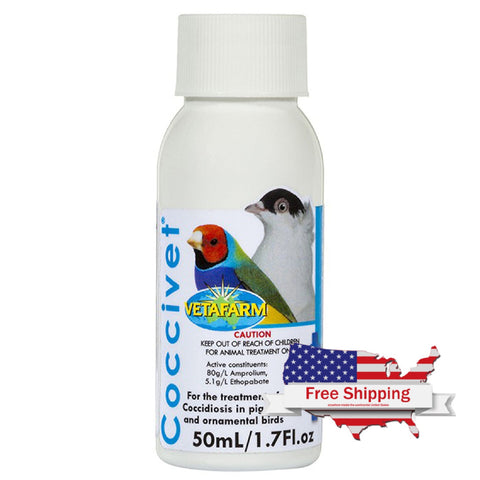


ABOUT THIS COLLECTION
Antiprotozoal Products
Read MoreShow Less
Antiprotozoal Products for Poultry, Pigeons and Birds
Explore our collection of antiprotozoal products organized by bird species, target organism, active ingredient and administration format. Find appropriately labeled or veterinary-directed products for protozoal concerns affecting chickens, pigeons and companion birds.
Protozoa are microscopic organisms that can cause conditions such as coccidiosis and trichomoniasis. These diseases require condition-specific management because an ordinary antibiotic or dewormer may not treat the responsible organism.
Common Protozoal Conditions in Birds
- Coccidiosis: An intestinal disease caused by coccidia that may affect chickens, chicks, pigeons and other birds.
- Canker or trichomoniasis: A disease caused by Trichomonas organisms, commonly associated with pigeons and some pet birds.
- Other protozoal infections: Less common conditions requiring species-specific veterinary diagnosis and treatment.
Different protozoal organisms may require different active ingredients. A product intended for one condition should not automatically be used for another.
Types of Antiprotozoal Products
- Water-soluble antiprotozoal products: Powders or liquids formulated for drinking-water administration.
- Oral solutions: Liquid products intended for appropriately directed individual or group use.
- Antiprotozoal powders: Concentrated formulas requiring accurate measurement and preparation.
- Tablets and capsules: Individually administered products used only when appropriate for the bird and condition.
- Anticoccidial products: Formulas intended for susceptible coccidia under their labeled or veterinary-directed uses.
- Canker products: Products selected for appropriately identified trichomoniasis in pigeons or other birds.
- Veterinary-directed products: Medicines requiring professional diagnosis, authorization or monitoring.
- Recovery-support products: Electrolytes, vitamins and nutritional formulas that support birds during recovery.
Signs of Coccidiosis
Possible signs of coccidiosis include:
- Bloody, dark or mucus-filled droppings
- Watery diarrhea
- Ruffled feathers and hunched posture
- Reduced appetite and water intake
- Weight loss or poor growth
- Pale comb, wattles or skin
- Weakness and dehydration
- Sudden death in severe cases
Young birds may deteriorate rapidly. Bloody droppings or illness affecting several chicks requires prompt professional attention.
Signs of Canker in Pigeons and Birds
Possible signs of trichomoniasis include:
- Yellowish or cream-colored material inside the mouth
- Difficulty swallowing
- Repeated regurgitation
- Wet feathers around the beak
- Reduced appetite
- Weight loss or poor performance
- Breathing difficulty when lesions obstruct the throat
- Poor growth in young pigeons
Do not scrape attached mouth or throat lesions. Disturbing them can cause bleeding and tissue damage.
Coccidiosis vs. Canker
Both conditions are caused by protozoal organisms, but they affect birds differently and may require different active ingredients.
- Coccidiosis primarily affects the intestinal tract and commonly causes abnormal or bloody droppings.
- Canker commonly affects the mouth, throat, crop or digestive tract and may cause lesions or swallowing difficulty.
Do not assume that every antiprotozoal product treats both conditions.
Antiprotozoal Products vs. Antibiotics
Antibiotics act against susceptible bacteria, while antiprotozoal products target specific protozoal organisms. Some medicines may have activity relevant to more than one organism group, but product selection must be based on the diagnosed condition and lawful use.
Using a general antibiotic for suspected coccidiosis or canker may delay appropriate treatment and contribute to antimicrobial resistance.
Antiprotozoal Products vs. Dewormers
Coccidia and trichomonads are not worms. Standard poultry dewormers do not automatically treat protozoal disease, and antiprotozoal products do not automatically eliminate roundworms, tapeworms or other helminths.
Fecal testing and veterinary examination can help distinguish between these conditions.
Choosing the Right Antiprotozoal Product
Before selecting a product, review:
- The bird species and age
- The diagnosed or suspected protozoal condition
- The active ingredient and concentration
- The intended administration route
- The preparation and treatment schedule
- Potential interactions and contraindications
- Prescription or veterinary requirements
- Egg and meat withdrawal restrictions
A product intended for pigeons or pet birds should not automatically be used in food-producing chickens.
Using Water-Soluble Antiprotozoal Products
- Measure the water volume accurately.
- Follow the exact product preparation directions.
- Use clean drinkers and measuring equipment.
- Prepare fresh solution at the required frequency.
- Protect treated water from contamination.
- Monitor whether sick birds are actually drinking.
- Clean the water system after treatment.
Birds that cannot drink or swallow may require individual veterinary care rather than water administration.
Food-Producing Poultry Restrictions
Antiprotozoal products used in chickens or other food-producing poultry must have an appropriate lawful pathway. Some active ingredients used in pigeons or companion birds are not permitted in animals producing meat or eggs for human consumption.
Before use in laying hens or meat birds, confirm:
- Whether the active ingredient is permitted
- Whether the product is appropriate for the species and production class
- The required egg withdrawal period
- The required meat withdrawal period
- Whether veterinary authorization is necessary
Do not promote a pigeon or pet-bird medicine as a treatment for food-producing poultry unless that use is legally appropriate and verified.
Supporting Birds During Recovery
Protozoal disease can contribute to dehydration, intestinal damage, reduced appetite and weight loss. Alongside appropriate treatment:
- Provide fresh, clean drinking water.
- Keep familiar food within easy reach.
- Use balanced nutrition appropriate for the species.
- Maintain clean, dry housing.
- Reduce crowding and environmental stress.
- Monitor droppings, appetite and body weight.
- Use appropriate electrolytes or nutritional supplements when compatible.
Reducing Protozoal Disease Risk
- Keep bedding and loft floors dry.
- Remove accumulated droppings.
- Clean feeders and waterers regularly.
- Prevent drinking-water contamination.
- Avoid overcrowding.
- Quarantine new and returning birds.
- Separate visibly sick birds promptly.
- Use dedicated equipment for isolation areas.
- Perform diagnostic testing when appropriate.
Responsible Antiprotozoal Use
Use antiprotozoal products only for their labeled or professionally directed species and condition. Measure accurately, complete the directed schedule and observe all warnings and withdrawal requirements.
Repeated treatment without diagnosis may encourage resistance and delay identification of another disease.
When to Seek Veterinary Assistance
Contact a poultry or avian veterinarian if a bird has severe weakness, substantial blood in the droppings, inability to swallow, open-mouth breathing, rapid weight loss, neurological symptoms or worsening dehydration.
Professional guidance is especially important when several birds become ill, treatment fails or sudden deaths occur.
Related Medicine Collections
- Coccidiosis Treatments
- Chicken Coccidiosis Treatment
- Pigeon Coccidiosis Treatment
- Pigeon Canker Support
- Bird Canker and Protozoal Support
- Poultry Anticoccidial Products
- Amprolium for Chickens
- Dewormers
- Water-Soluble Medicine
- Powder Medicine
Frequently Asked Questions
What are antiprotozoal products?
They are products intended to act against specific protozoal organisms, including those associated with coccidiosis and trichomoniasis.
Are coccidiosis and canker the same disease?
No. They are caused by different protozoal organisms and may require different active ingredients.
Do antibiotics treat protozoal infections?
General antibacterial medicines do not automatically treat protozoal disease. The appropriate product depends on the identified organism.
Can pigeon antiprotozoal products be used in chickens?
Not automatically. Food-producing poultry have different legal, safety and withdrawal requirements.
Can antiprotozoal products be mixed into drinking water?
Only when the product is formulated and appropriately directed for water administration. Follow its exact preparation instructions.
Antiprotozoal Products for Poultry, Pigeons and Birds Explore our collection of antiprotozoal products organized by bird species, target organism, active ingredient and administration format. Find appropriately label...
